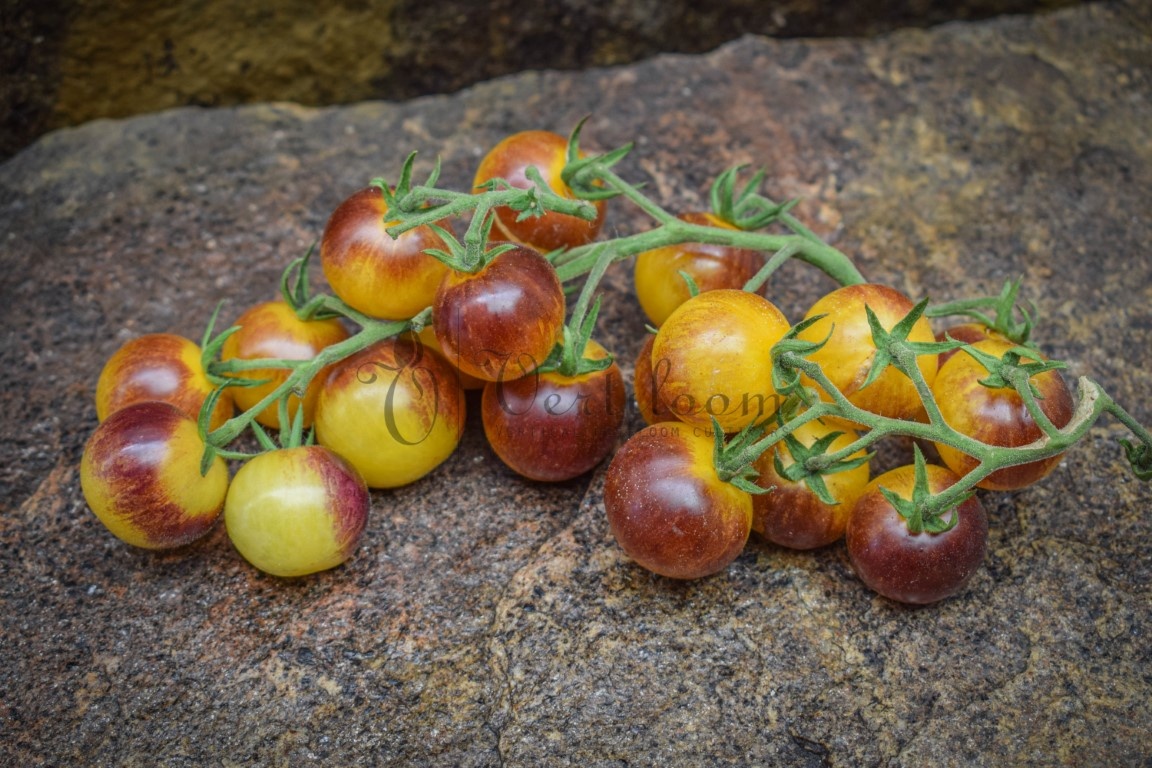
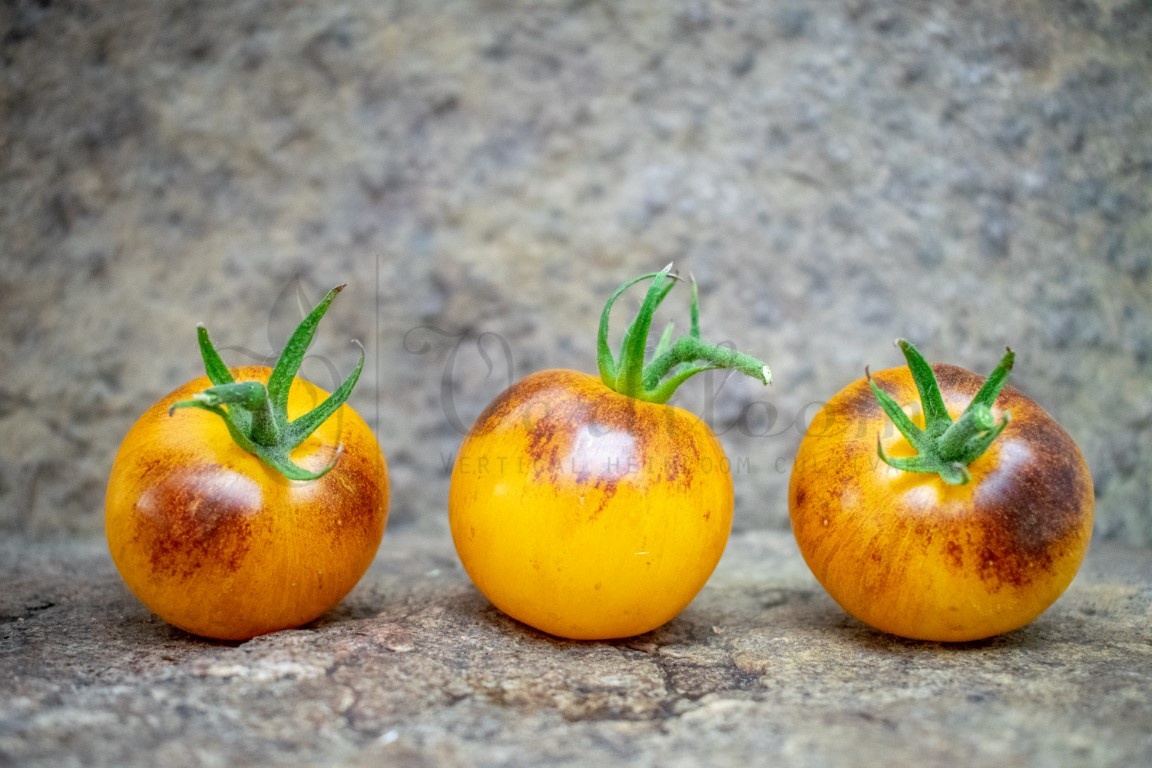
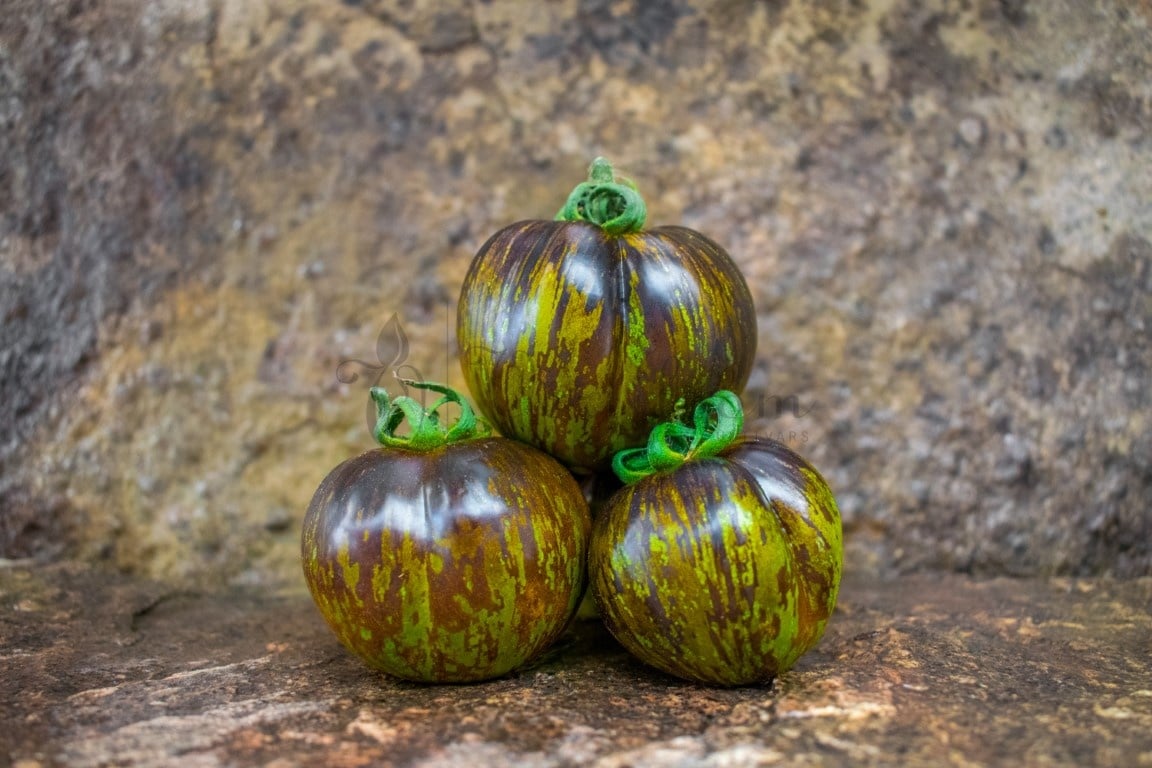
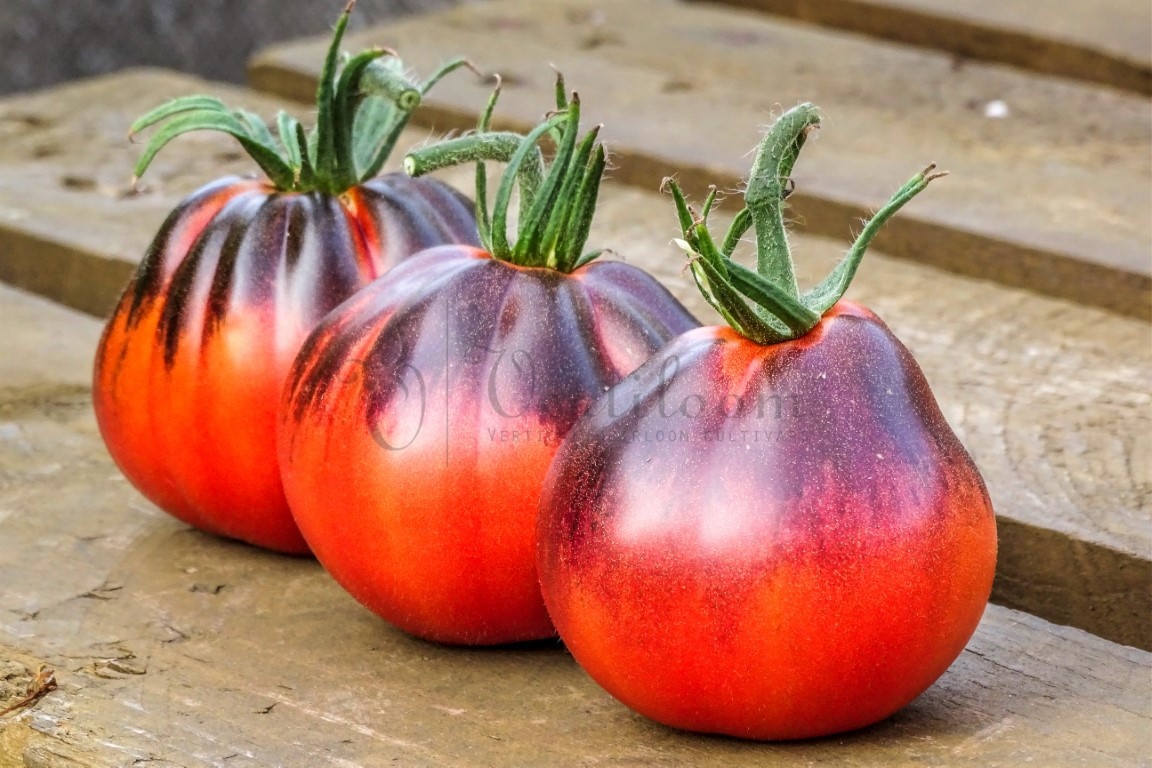
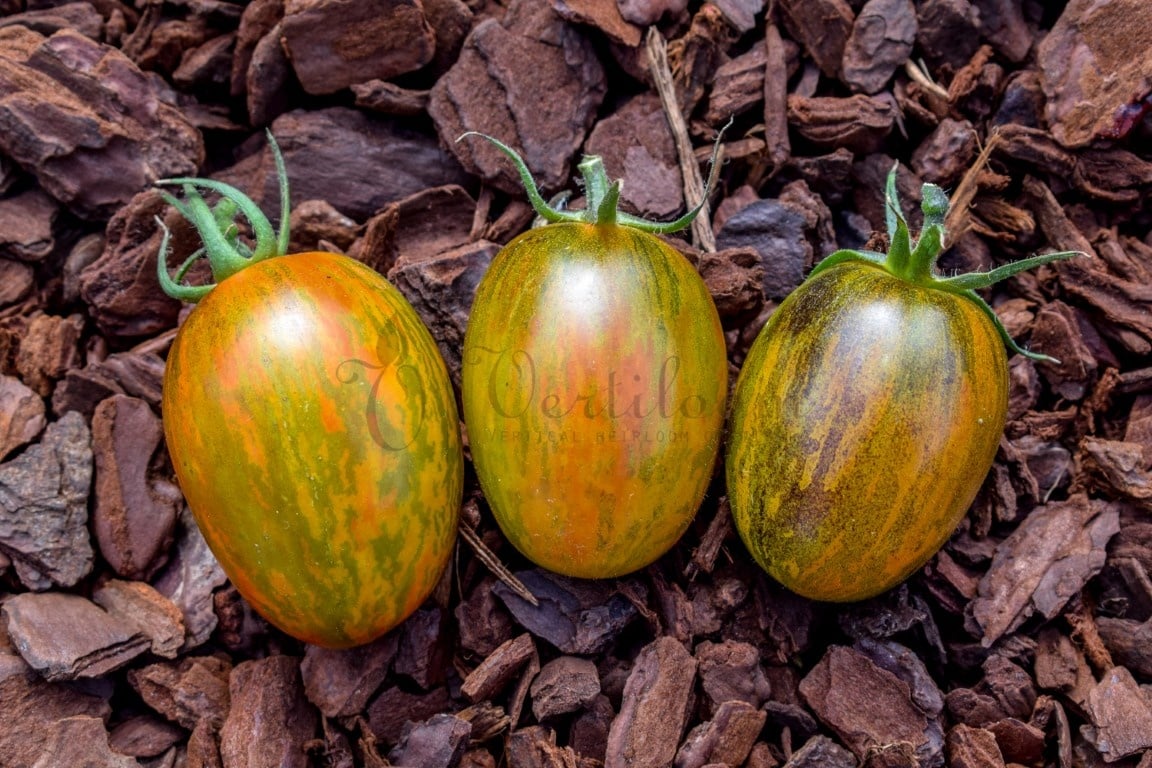
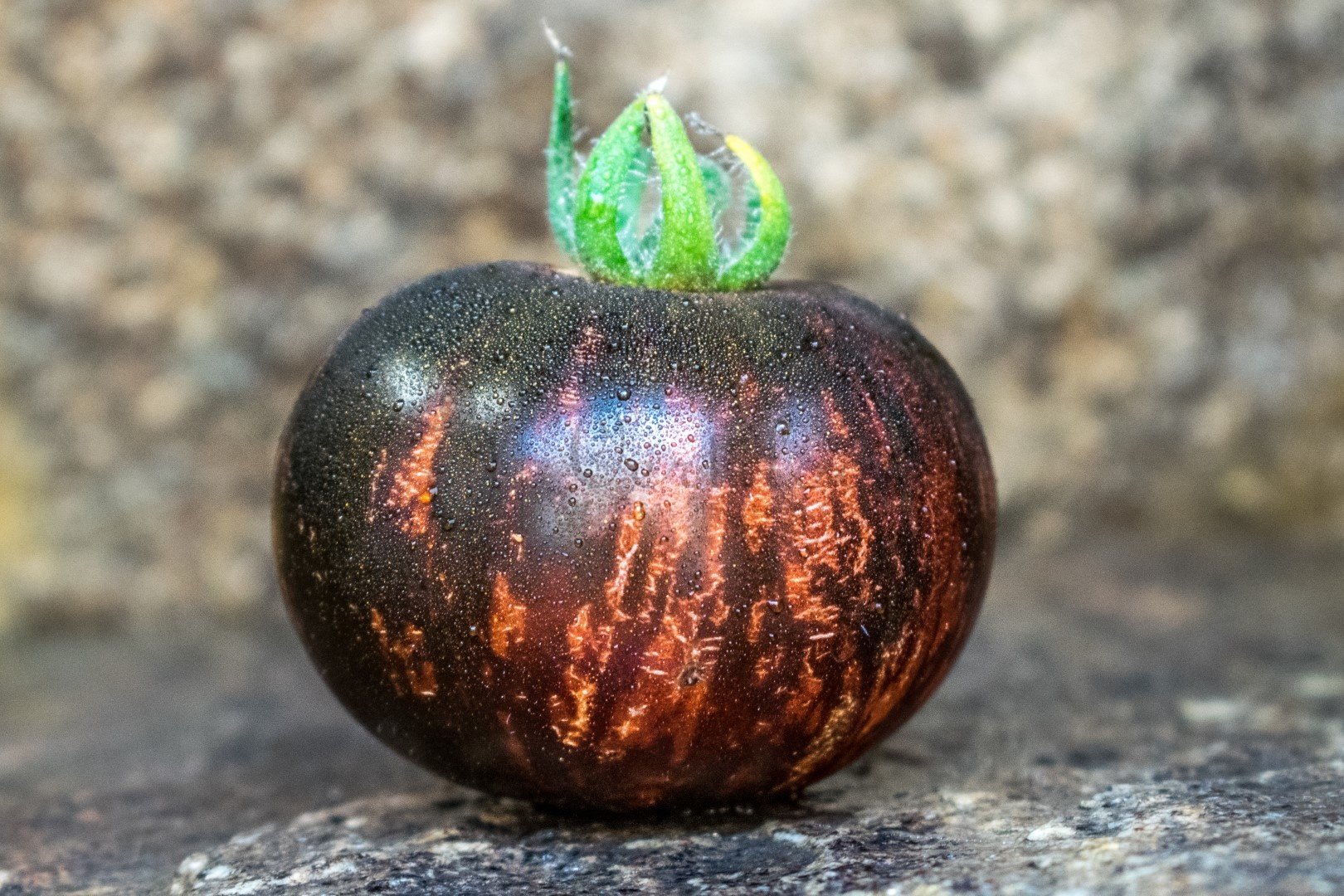
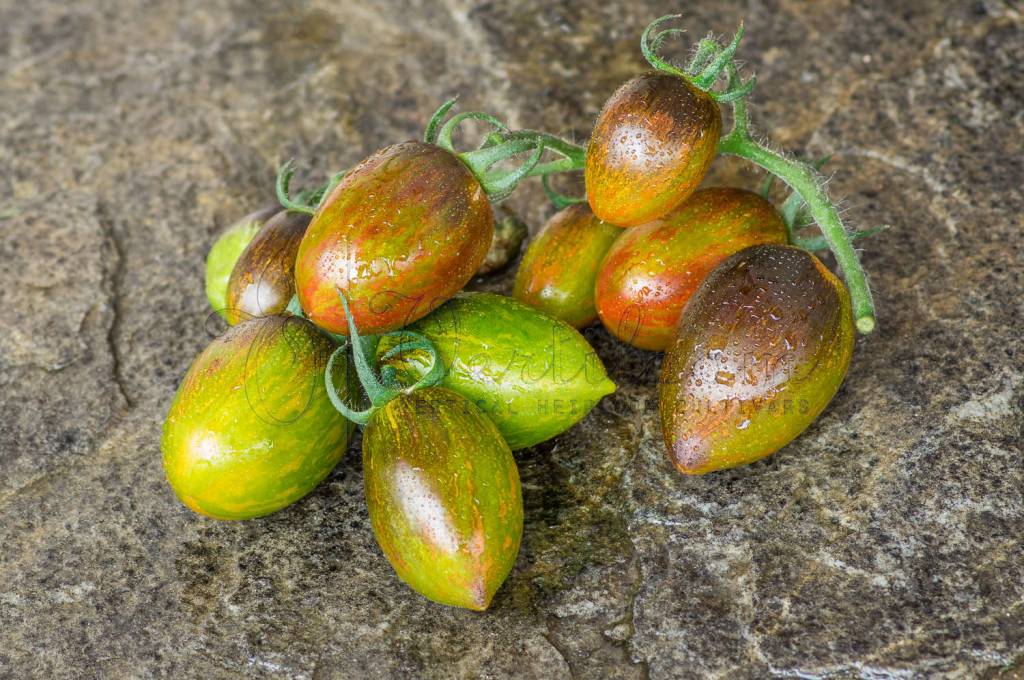
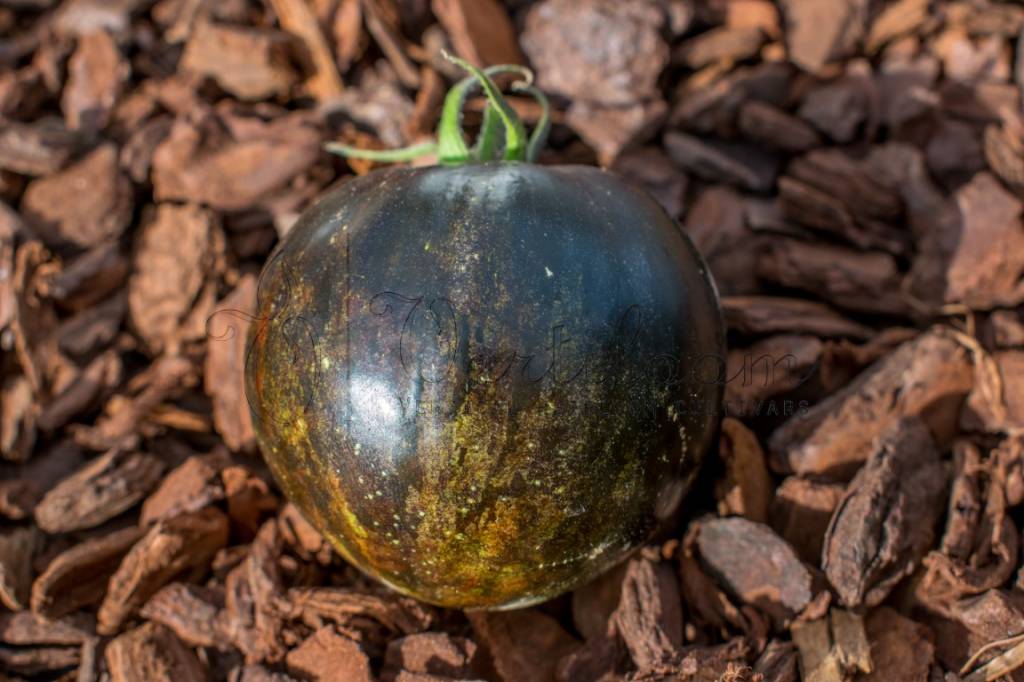
Blue tomatoes are among the most striking varieties in the fascinating world of tomatoes. Their deep-blue, violet-blue and sometimes almost black colours make them true eye-catchers in the garden or greenhouse. At Vertiloom, you can discover a diverse collection of blue tomatoes, ranging from small cherry varieties to large, multicoloured beefsteaks.
Behind their unusual appearance lies a remarkable combination of natural pigments, plant breeding and an exciting diversity of flavours.
Why Are Some Tomatoes Blue?
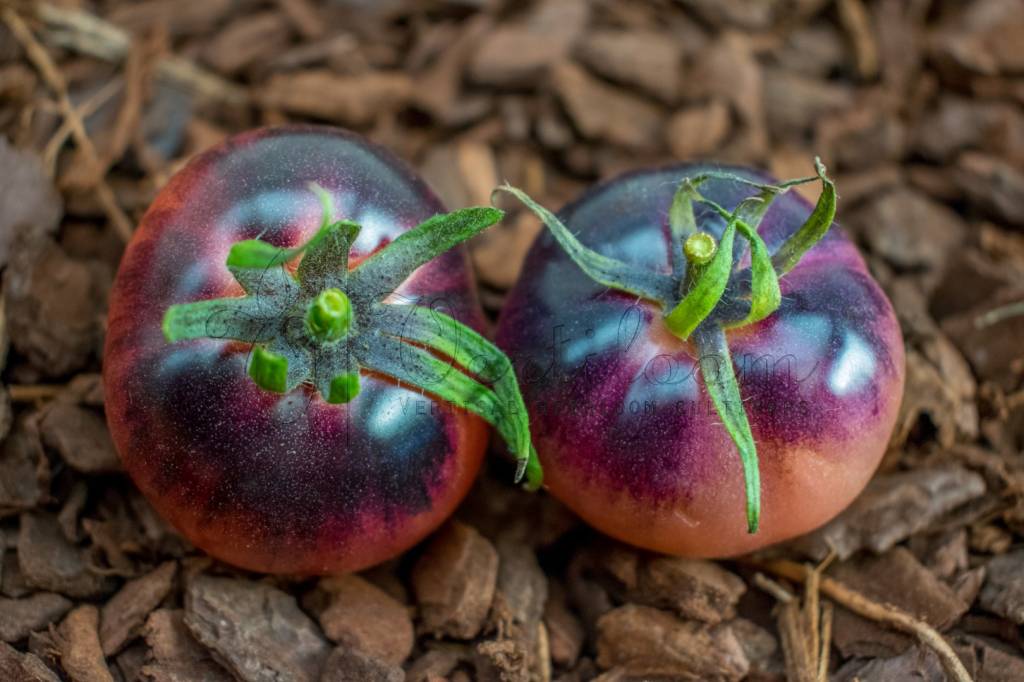
The blue and purple colours come from anthocyanins, natural pigments also found in blueberries, blackberries and aubergines.
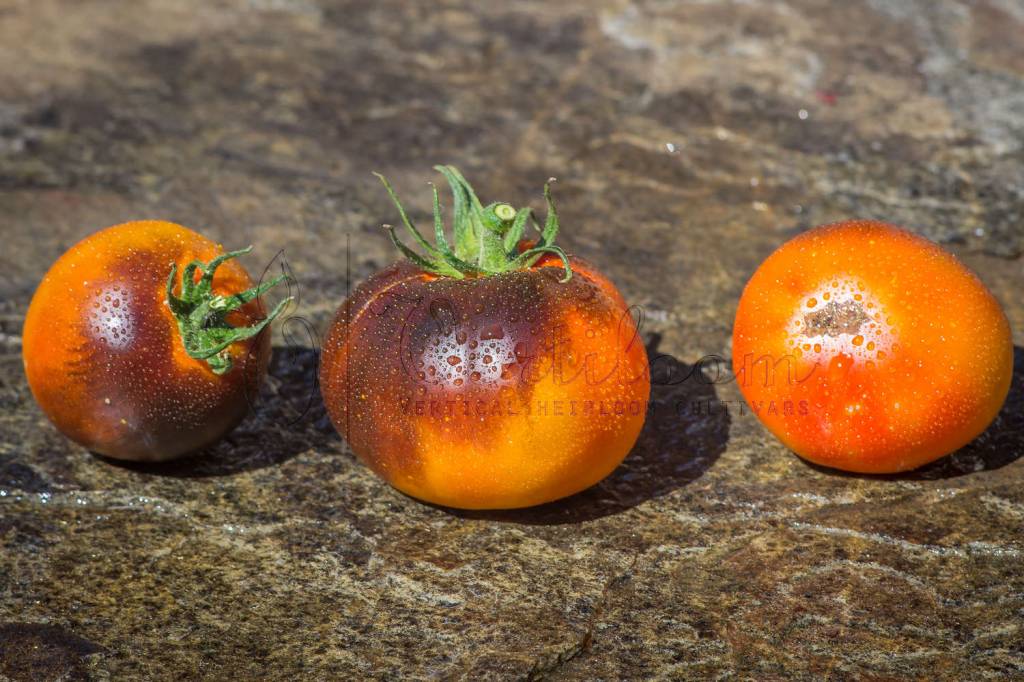
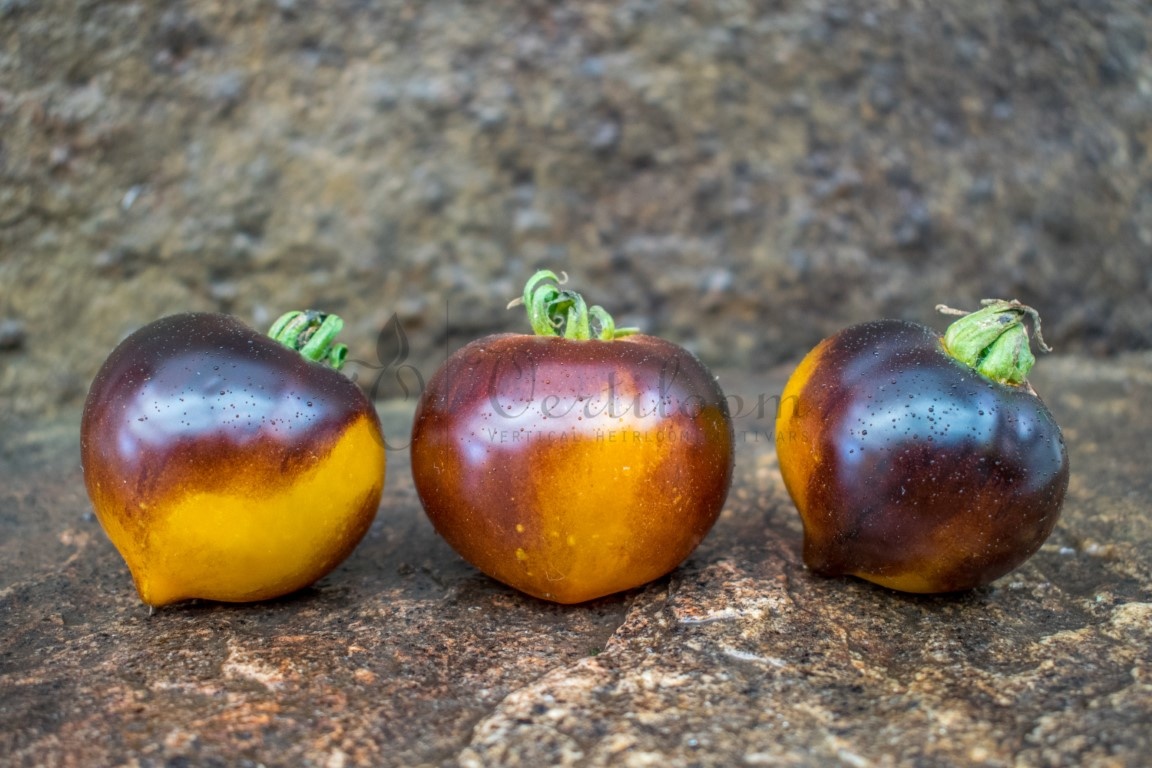
In most traditionally bred blue tomato varieties, these pigments are concentrated primarily in the skin. Areas of the fruit exposed to direct sunlight usually develop the strongest blue or purple-black pigmentation.
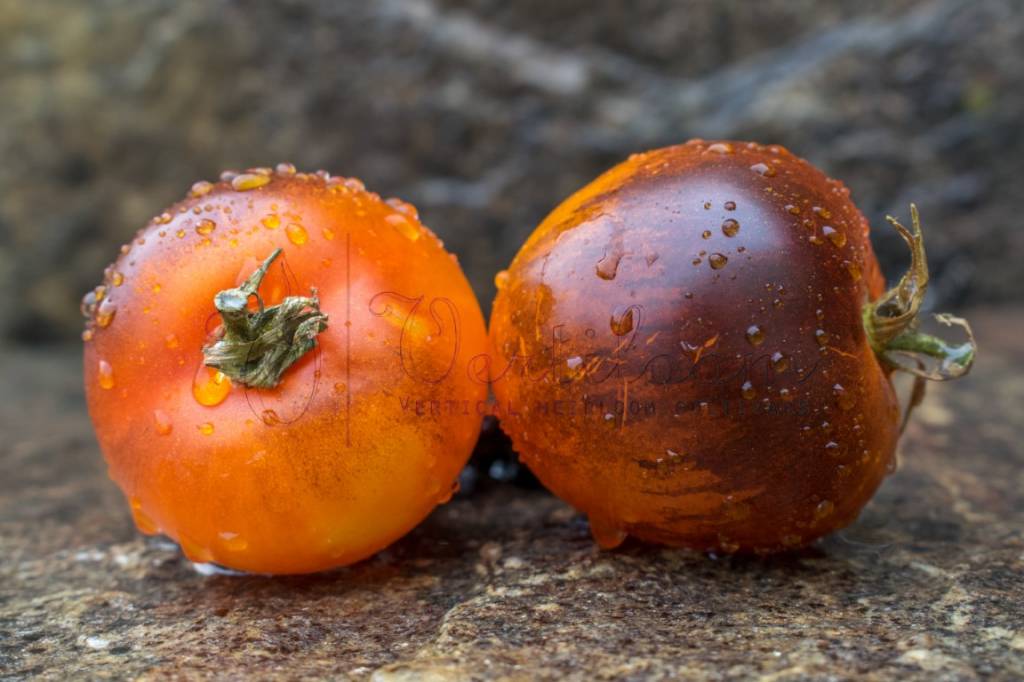
This can create beautiful colour contrasts. The shaded side or lower part of a tomato may ripen to red, pink, yellow or orange, while the upper surface remains deep blue.
However, not all dark-coloured tomatoes are true blue tomatoes. Traditional brown or so-called black heirloom varieties generally develop their dark appearance through a different combination of pigments.
The Origins of Blue Tomatoes
Blue tomatoes are the result of many years of breeding, combining characteristics of wild tomato relatives with those of cultivated tomatoes.
An important milestone was Indigo Rose, developed through the Oregon State University breeding programme led by Jim Myers. This variety helped introduce anthocyanin-rich tomatoes to a wider audience.
Since then, breeders have developed numerous new combinations with different fruit shapes, colours, growth habits and flavour profiles.
The result is a fascinating group of tomatoes in which deep-blue pigmentation can appear alongside red, pink, yellow, orange and even green tones.
What Do Blue Tomatoes Taste Like?
Blue tomatoes do not have one particular flavour determined by their colour. As with other tomato varieties, sweetness, acidity, aroma and texture vary considerably from one variety to another.
Some blue cherry tomatoes are pleasantly sweet and fruity, while others have a fresher, slightly tangy or more pronounced tomato flavour.
Texture also varies. Smaller fruits may be firm and juicy, while larger beefsteak types often have softer, meatier flesh.
The blue colour is therefore primarily a distinctive visual characteristic. Flavour depends on the individual variety and growing conditions.
How Can You Tell When a Blue Tomato Is Ripe?
Ripeness is not always easy to judge from the dark-blue colour alone. Some blue tomatoes develop their pigmentation well before reaching full maturity.
Look for several signs:
-
The underlying colour: the non-blue areas gradually develop their final ripe colour, which may be red, pink, yellow or orange.
-
A slight softness: depending on the variety, a ripe tomato yields gently to light pressure.
-
Changes in appearance: some varieties develop a softer, more matt purple tone as their initially glossy blue skin matures.
-
Variety-specific characteristics: the final appearance of a ripe blue tomato differs between varieties, making the individual variety description particularly useful.
A completely blue tomato is not necessarily fully ripe.
Growing Blue Tomatoes
Blue tomatoes are grown in much the same way as other tomato varieties. They thrive with adequate warmth, light, fertile soil and consistent watering.
Good light exposure is important for developing strong blue pigmentation. Fruits hidden beneath dense foliage may show less intense colouring.
However, removing too many leaves is not advisable. Foliage also protects tomatoes from excessive heat and sunscald. A balanced, airy plant structure is preferable to heavy defoliation.
Depending on the variety, blue tomatoes may have tall indeterminate, bushy or compact growth habits.
Blue Tomatoes in the Kitchen
Their unusual colours make blue tomatoes a beautiful addition to salads and fresh dishes. Cutting the fruits in half often reveals a striking contrast between the dark skin and the much lighter flesh.
Small blue cherry tomatoes are ideal for enjoying fresh, while larger varieties can also be used in sandwiches, sauces and cooked dishes.
Their culinary uses depend mainly on the flavour, juiciness and texture of the particular variety.
Discover Vertiloom's Blue Tomato Collection
Blue tomatoes demonstrate just how diverse and surprising the world of tomatoes can be. From intensely dark fruits to remarkable combinations of blue with red, pink, yellow or orange, every variety has its own distinctive character.
Explore our collection of blue tomato seeds and discover varieties that appeal to you through their colour, fruit shape, flavour or growth habit.