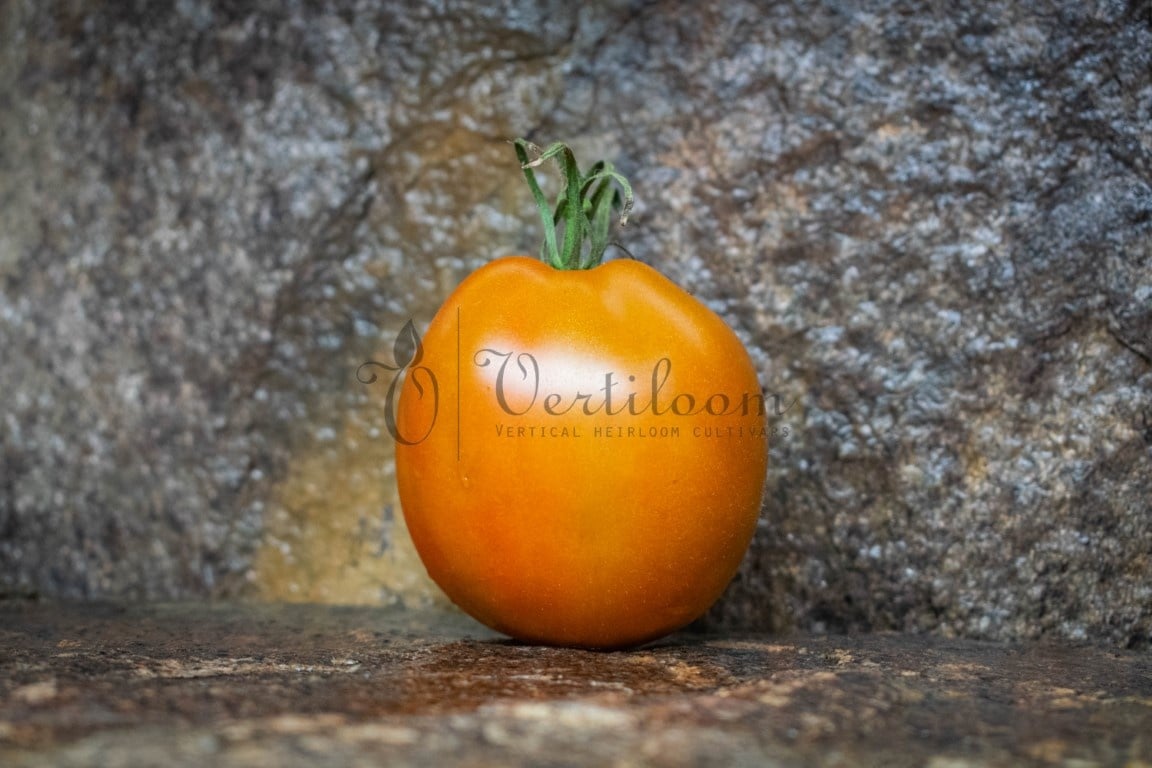
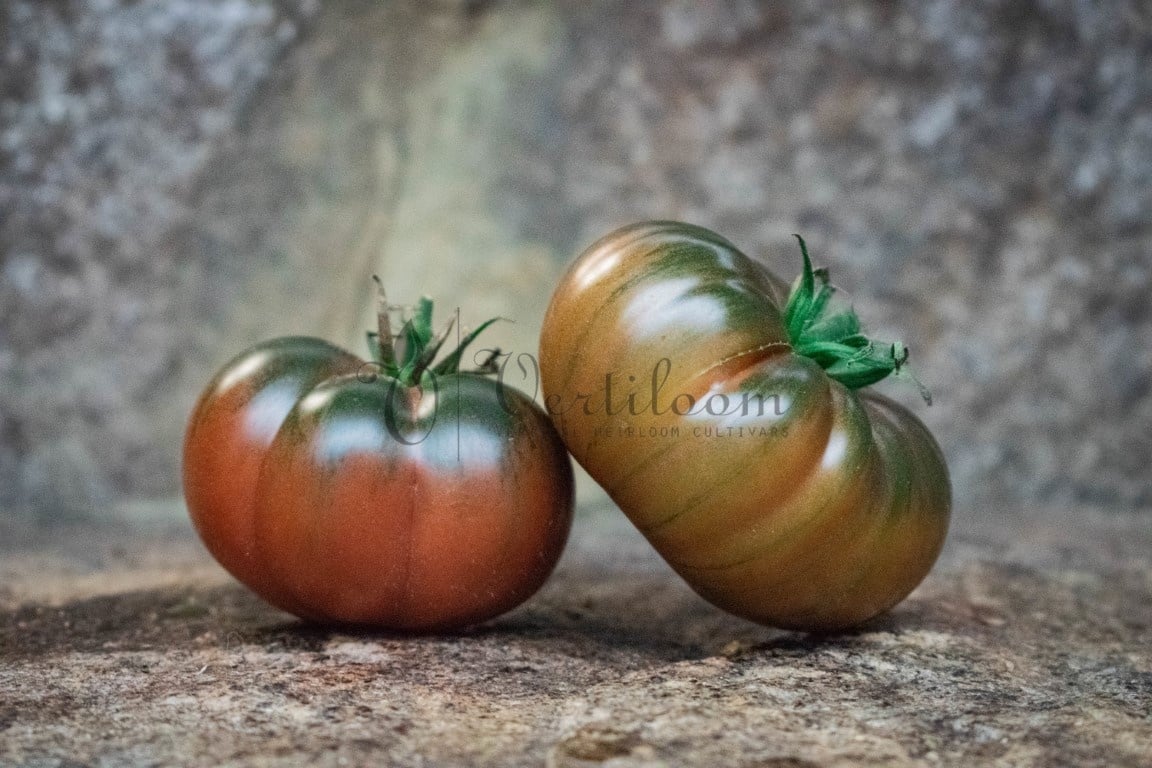
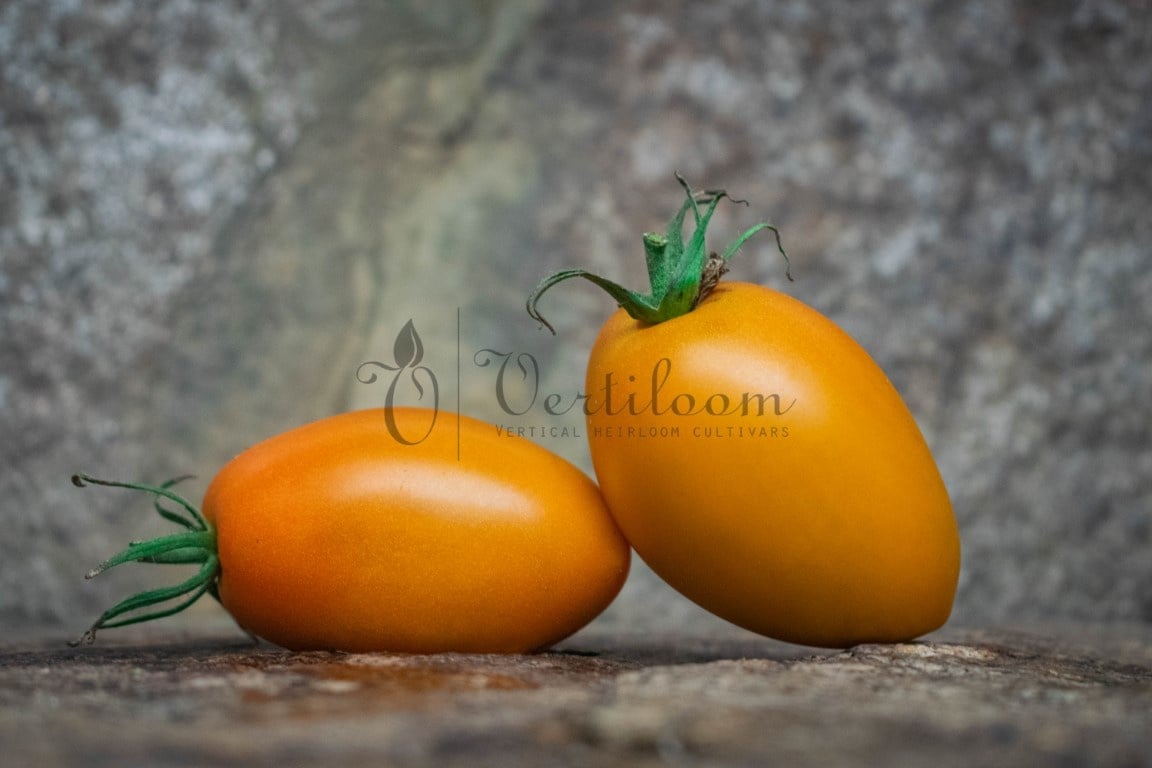
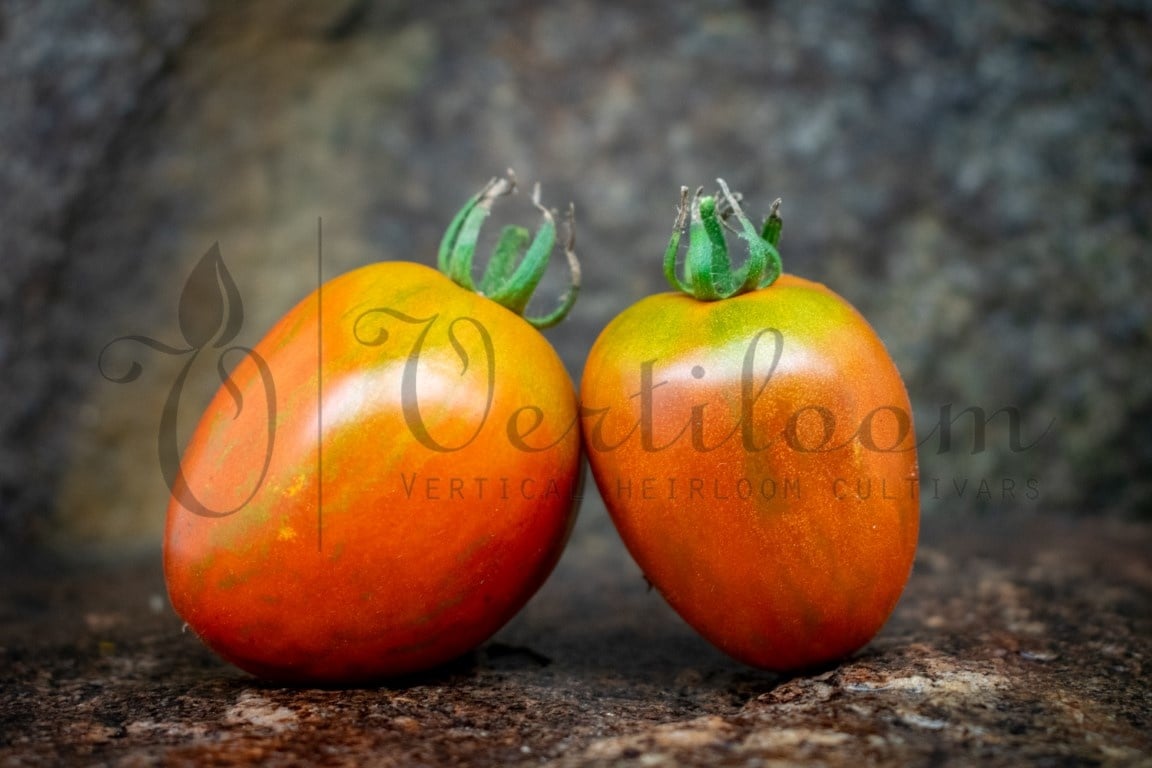
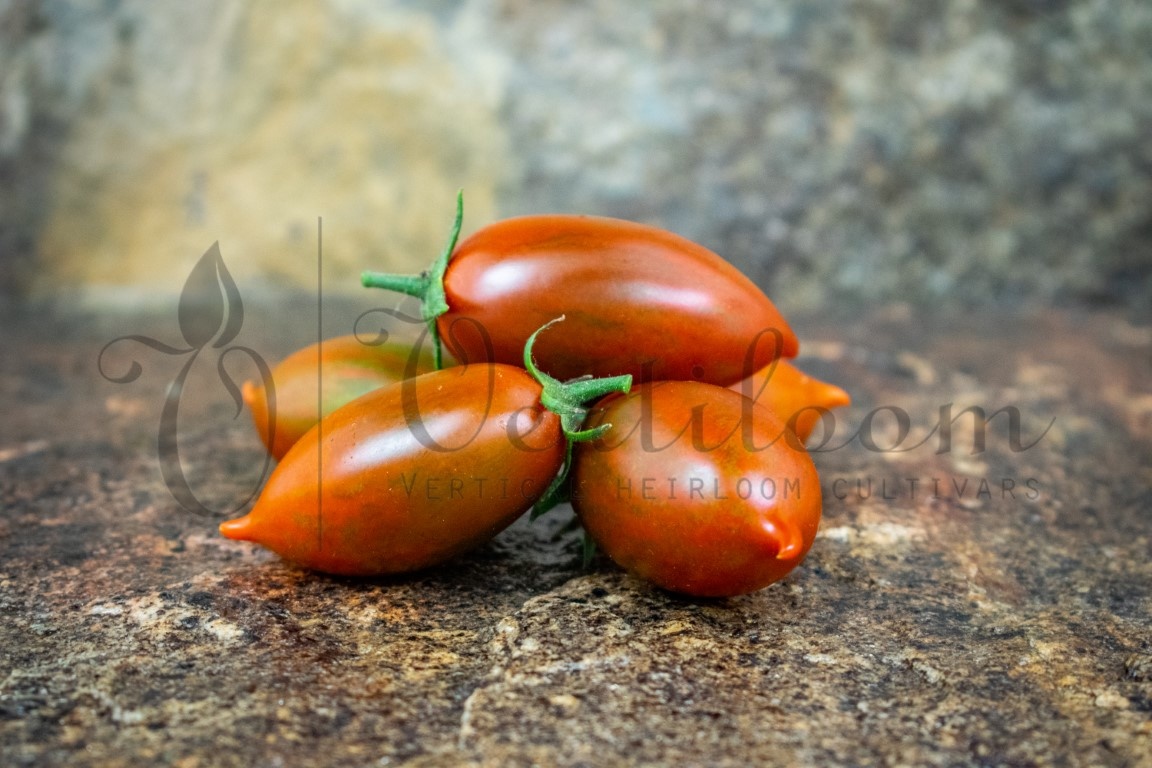
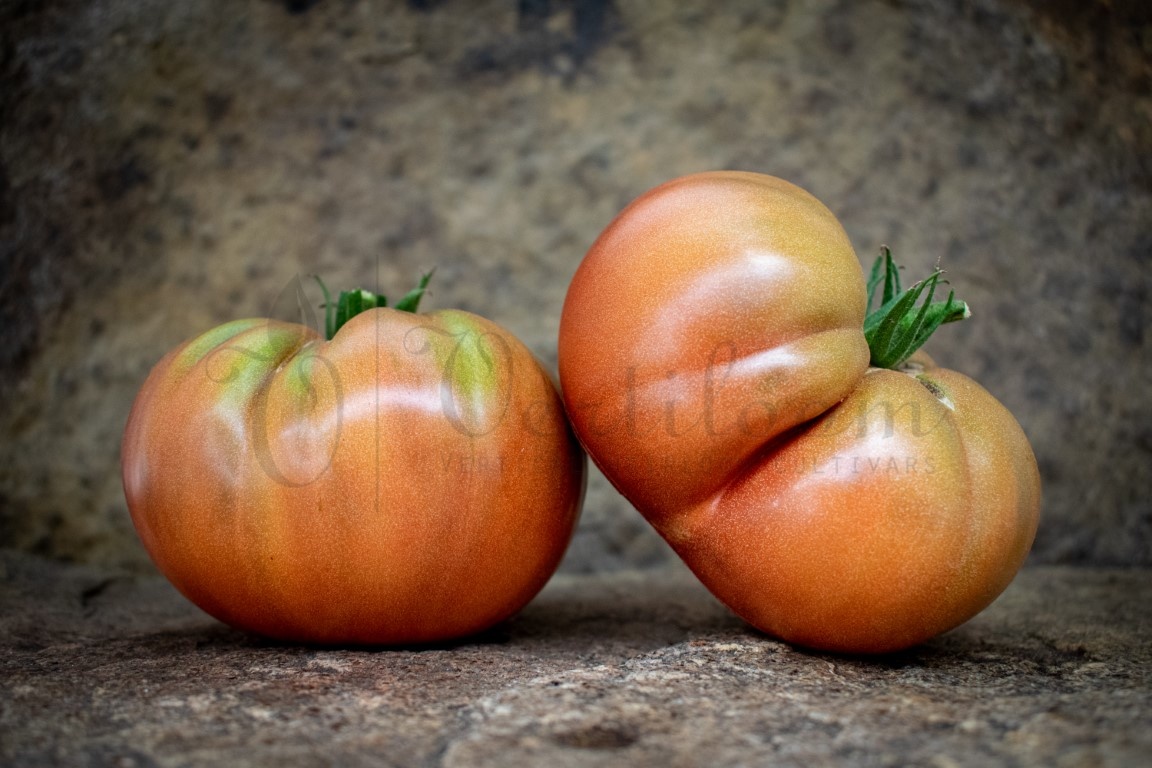
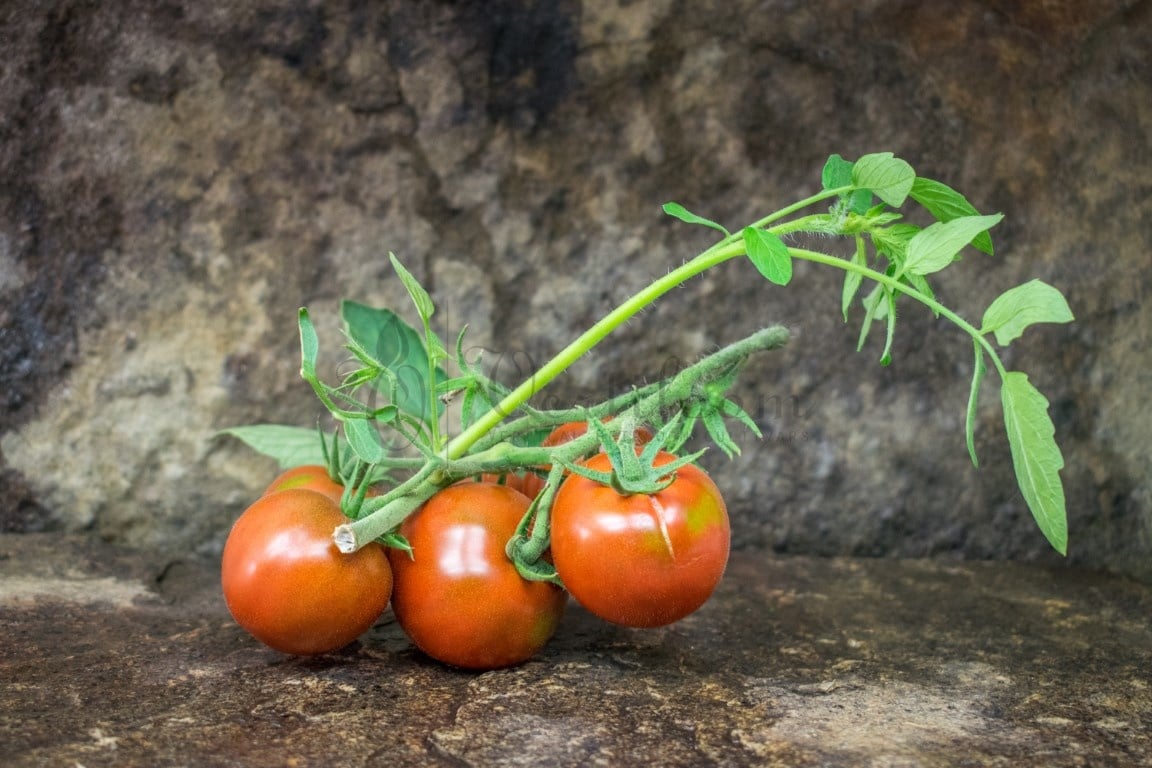
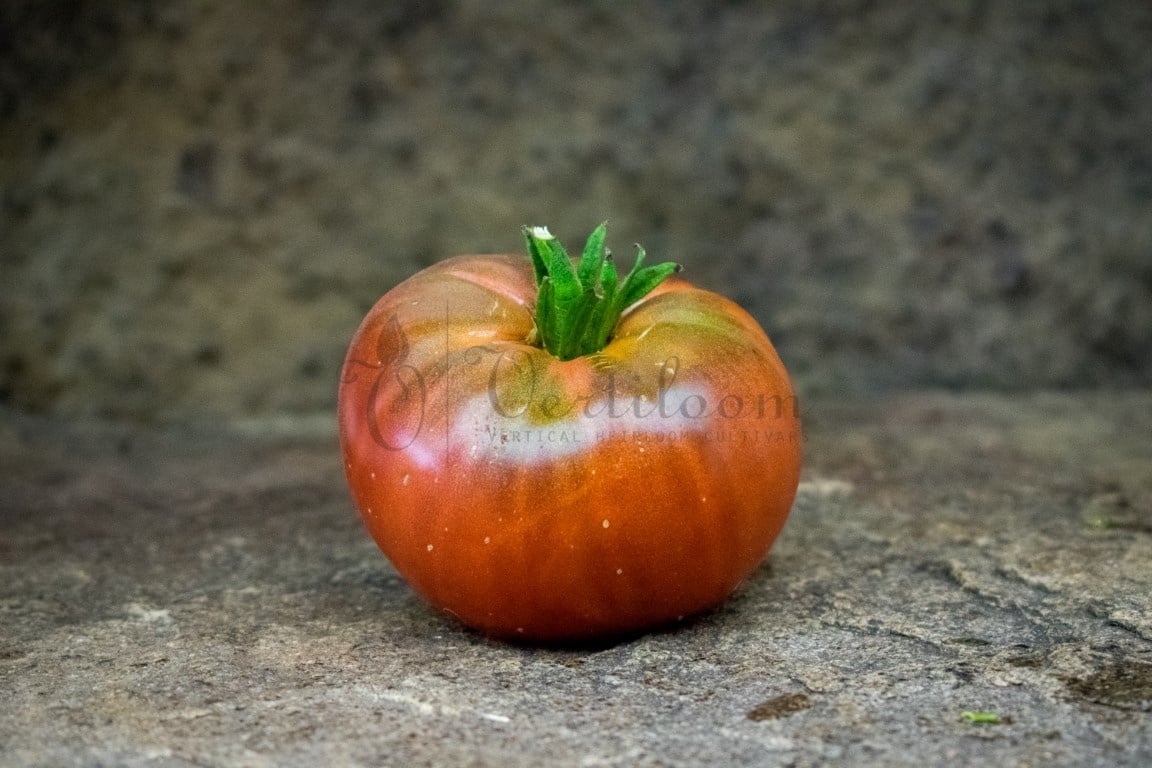
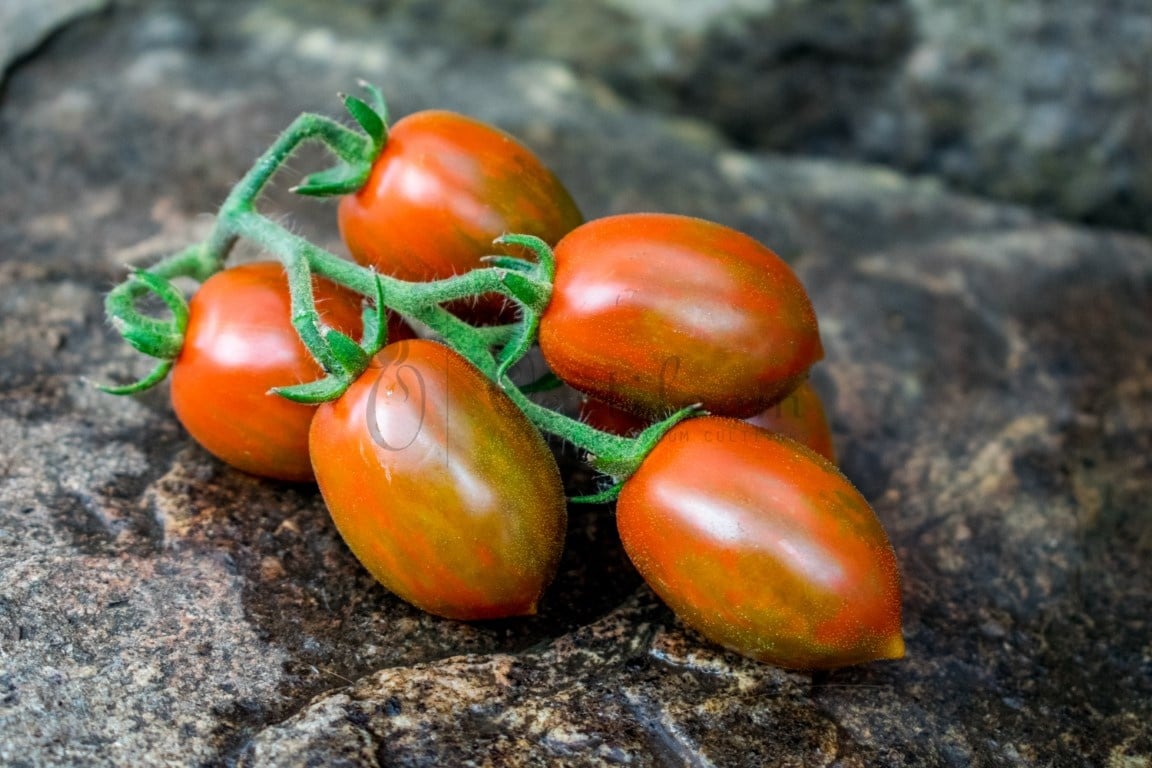
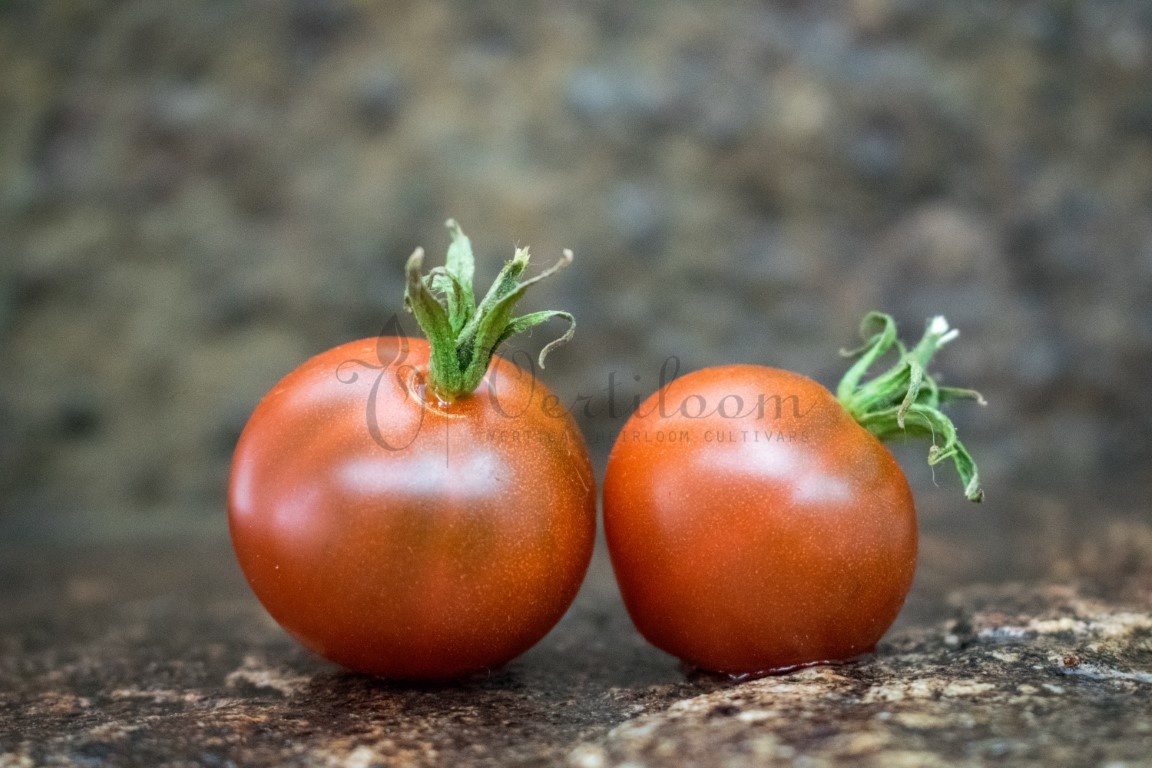
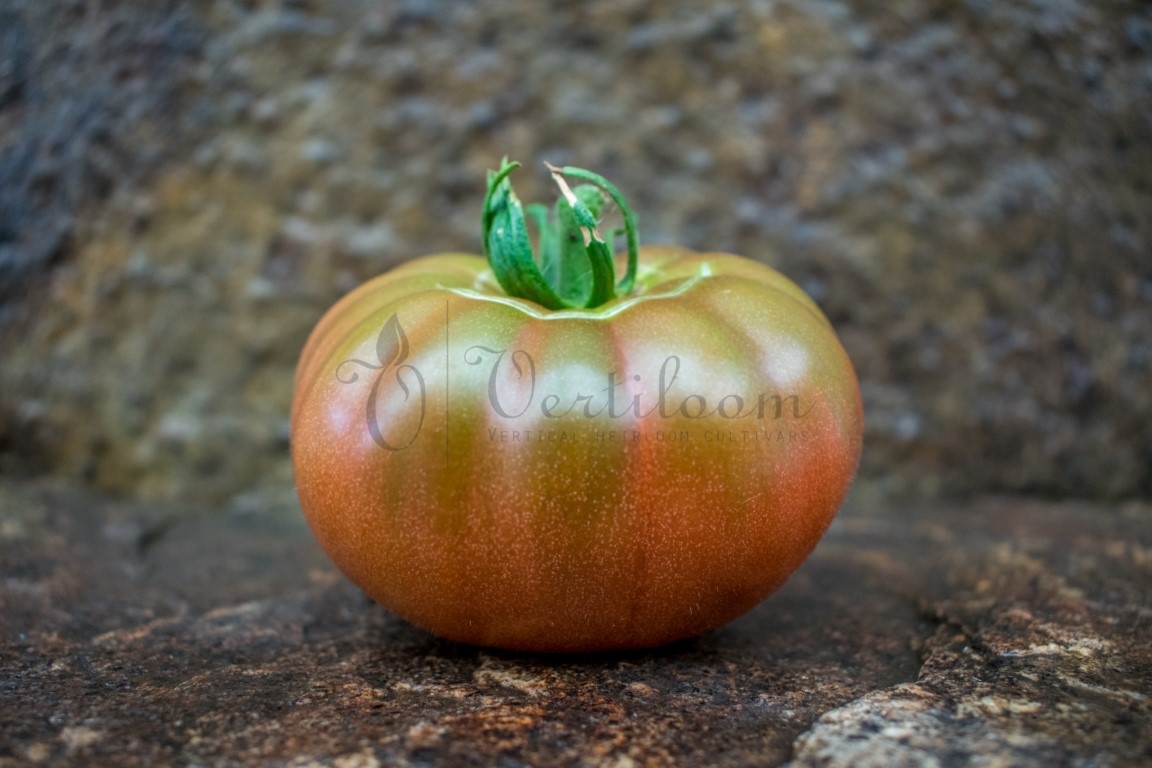
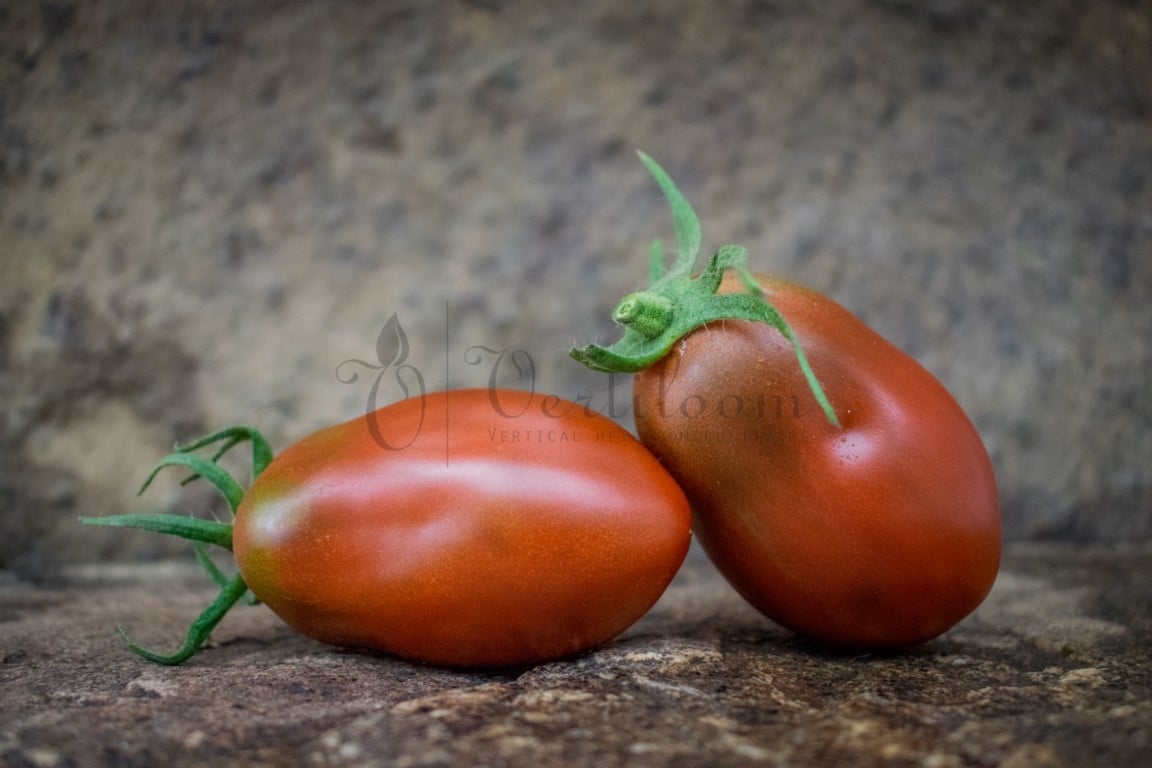
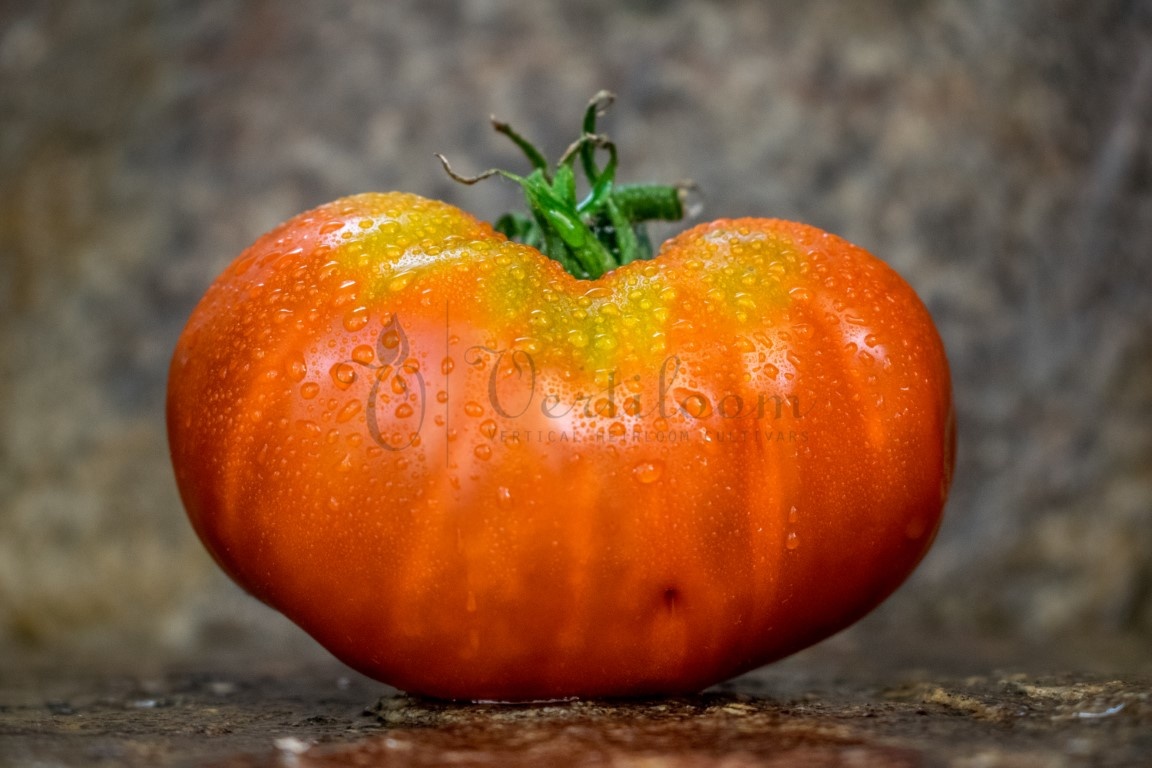
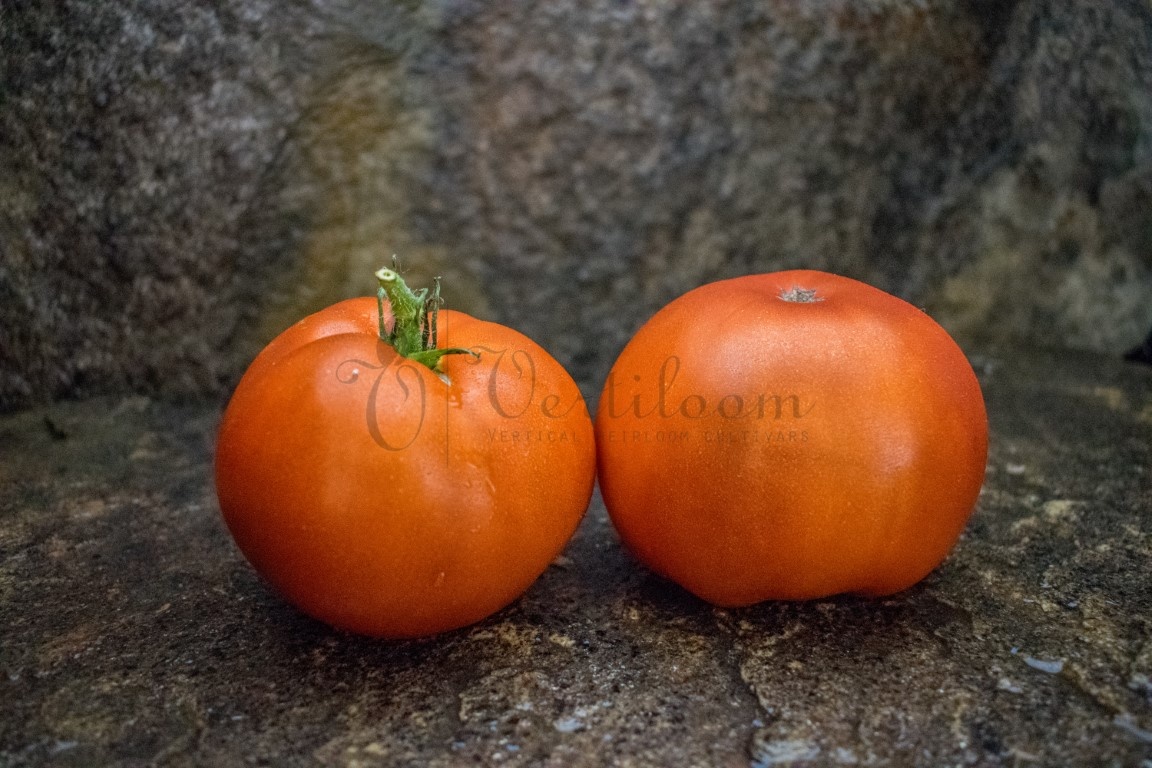
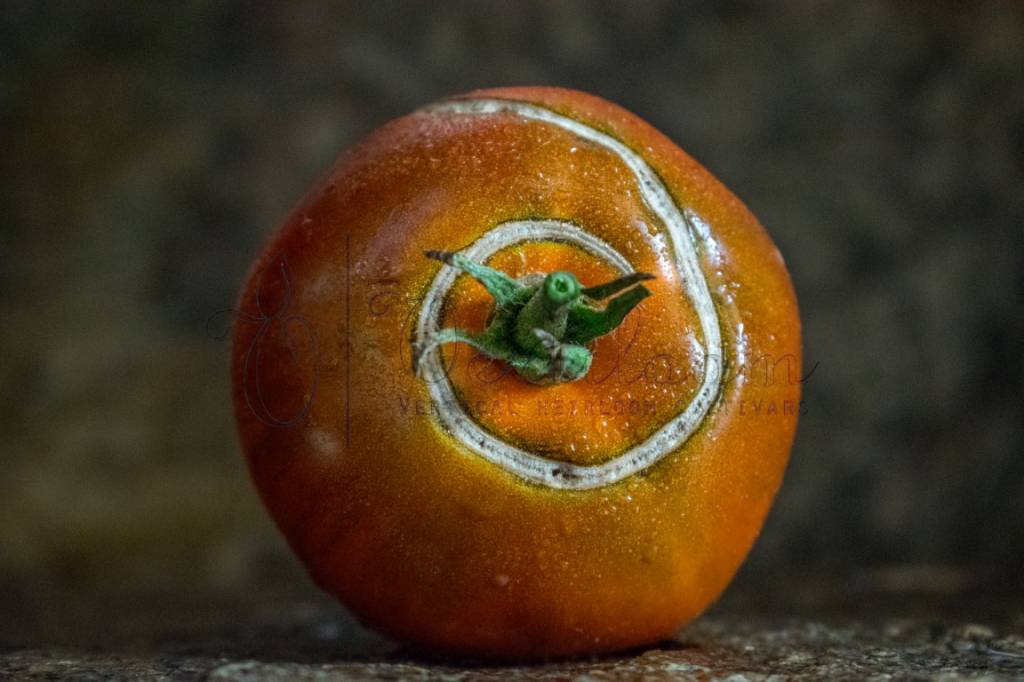
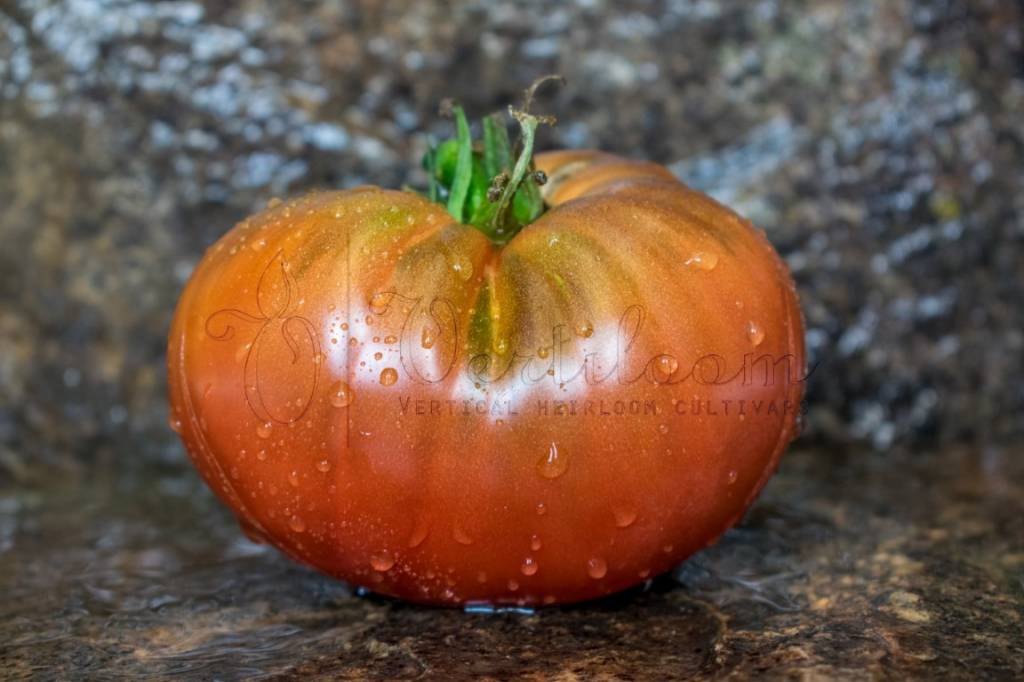
Brown and black tomatoes are among the most fascinating varieties in the remarkable world of tomatoes. Their colours range from warm mahogany and deep chocolate brown to dark purplish red, olive brown and almost black. At Vertiloom, you can discover an extensive collection of dark-coloured tomatoes, from small, juicy cherry varieties to impressive beefsteaks with richly coloured flesh.
Many of these tomatoes have an interesting history. Their unusual appearance and diverse flavours make them particularly appealing to collectors, home gardeners and enthusiasts of heirloom varieties.
What Makes Brown and Black Tomatoes Special?
The name black tomatoes can be somewhat misleading. Most traditional black varieties are not truly jet black when fully ripe. Instead, they display deep combinations of red, brown, green and purplish tones.
Some develop dark mahogany skin, while others have striking olive-green or almost black shoulders. The flesh may be dark red, reddish brown or greenish red, sometimes with particularly beautiful dark colouring around the seed cavities.
Fruit shapes and sizes are equally varied. There are small round cherry tomatoes, medium-sized salad varieties, pear-shaped fruits and large, flattened or ribbed beefsteaks.
Why Are Some Tomatoes Brown or Black?
In many traditional brown and black tomatoes, the dark colour develops because some of the green pigment, chlorophyll, remains present as the fruit ripens.
In ordinary red tomatoes, chlorophyll is largely broken down while red carotenoid pigments, including lycopene, accumulate.
Certain dark varieties break down chlorophyll differently. The combination of retained green pigments with red colouring creates distinctive reddish-brown, purplish-brown and almost black shades.
The variety's genetic characteristics determine how strongly these pigments appear. Skin colour and fruit maturity also influence the final appearance.
Not all dark tomatoes develop their colour through exactly the same process. The term black tomato therefore covers several different colour types.
Black Tomatoes and Blue Tomatoes: What's the Difference?
Traditional black tomatoes and modern blue tomatoes can look similar, but their colours often have different origins.
In traditional brown and black tomatoes, the retention of chlorophyll combined with red pigments usually plays an important role.
In blue tomatoes, the blue or purple-black colour is primarily caused by anthocyanins. These pigments are generally concentrated in the skin, with sun-exposed areas developing the strongest pigmentation.
Modern varieties can also combine both characteristics, producing particularly complex colour patterns.
It would therefore be incorrect to assume that every dark tomato is an anthocyanin-rich blue tomato.
What Do Brown and Black Tomatoes Taste Like?
Many traditional dark-coloured tomatoes are appreciated for their rich, full and pronounced tomato flavour.
Some varieties offer deep, savoury notes, sometimes accompanied by pleasant sweetness and subtle, refreshing acidity. Certain dark beefsteaks have a particularly tender texture and an almost creamy flavour impression.
However, brown and black tomatoes do not all taste alike. Small dark cherry tomatoes can be exceptionally sweet and juicy, while larger varieties may offer a more intense or complex flavour.
Taste depends on the balance of sugars, acids and aromatic compounds, together with ripeness and growing conditions.
Dark colouring does not automatically make a tomato sweeter, less acidic or more flavourful than a red variety.
Different Types of Dark Tomatoes
This distinctive colour group includes a remarkable range of fruit types:
-
Black cherry tomatoes: small, often juicy fruits with dark-red, purplish-brown or mahogany colouring.
-
Brown salad tomatoes: medium-sized varieties with different shapes, flavours and dark colour patterns.
-
Black beefsteak tomatoes: large, meaty varieties, frequently with richly coloured flesh and pronounced flavour.
-
Dark pear-shaped tomatoes: unusual fruits combining brown, red and sometimes green shades.
-
Dark oxheart tomatoes: distinctive heart-shaped varieties, sometimes with dense, finely textured flesh.
Fruit colour alone does not determine growth habit, ripening time or productivity.
Well-Known Brown and Black Tomato Varieties
Several dark tomato varieties have become well known among heirloom enthusiasts because of their unusual appearance and distinctive flavours.
Examples include:
-
Black Krim: a popular dark beefsteak with deep reddish-brown to purplish-brown fruit and striking dark-green shoulders. Its flesh is juicy, with a full, pronounced flavour.
-
Cherokee Purple: a historic American variety producing large, flattened tomatoes with dusky pink, purple-brown and greenish colouring, prized for their rich flavour.
-
Black Cherry: a popular dark cherry tomato producing small, round mahogany to purplish-brown fruits with a pronounced sweet, fruity tomato flavour.
-
Paul Robeson: a distinctive dark variety with medium to larger reddish-brown tomatoes, often featuring greenish shoulders and a full, characteristic flavour.
Beyond these familiar names, numerous lesser-known brown and black tomatoes offer distinctive origins, shapes and flavours.
How Can You Tell When a Black Tomato Is Ripe?
Determining the right harvest time can be more challenging with dark tomatoes than with traditional red varieties. Some fruits retain green or very dark areas even at full maturity.
Look for several signs:
-
Characteristic ripe colour: the fruit develops its typical combination of dark red, brown, mahogany or purple shades.
-
Slight softness: a ripe tomato generally yields gently to light pressure without becoming mushy.
-
The shoulders: some varieties retain a striking green area around the stem even when fully ripe.
-
The blossom end: in several dark varieties, the underside develops a warmer, more pronounced reddish-brown colour as ripening progresses.
The exact ripe appearance differs between varieties. With tomatoes that retain green shoulders, relying on colour alone can be misleading.
Growing Brown and Black Tomatoes
Brown and black tomatoes are grown in much the same way as other tomato varieties. They appreciate warmth, sufficient light, fertile soil and consistent watering.
Many traditional dark beefsteaks are tall, indeterminate plants that require sturdy support. Their heavy fruits can place considerable strain on the branches.
However, compact varieties and smaller-fruited dark tomatoes also exist.
Balanced foliage helps protect the fruits from excessive sunlight, while adequate air circulation supports healthy plant growth.
Ripening time, productivity and plant vigour depend on the individual variety and growing conditions.
Brown and Black Tomatoes in the Kitchen
Dark-coloured tomatoes are particularly attractive in fresh dishes. Their deep shades contrast beautifully with yellow, orange, green and red tomatoes.
Small black cherry tomatoes are excellent for fresh eating and add unusual colour to mixed salads.
Large dark beefsteaks are especially appealing when sliced thickly for sandwiches, salads and tomato platters.
Depending on their juiciness, texture and flavour, these varieties can also be used in sauces, salsas and cooked dishes.
Fresh preparations are often a wonderful way to appreciate their distinctive colours and complex flavours.
Discover Vertiloom's Brown and Black Tomato Collection
From small mahogany cherry tomatoes to impressive purplish-brown beefsteaks with dark shoulders, brown and black tomatoes form one of the most distinctive colour groups.
At Vertiloom, discover brown and black tomato seeds from familiar and rare varieties, each with its own origin, fruit shape, flavour and growth habit.
Explore their deep, beautiful colours and find the dark tomato varieties that best suit your garden, greenhouse and personal taste.