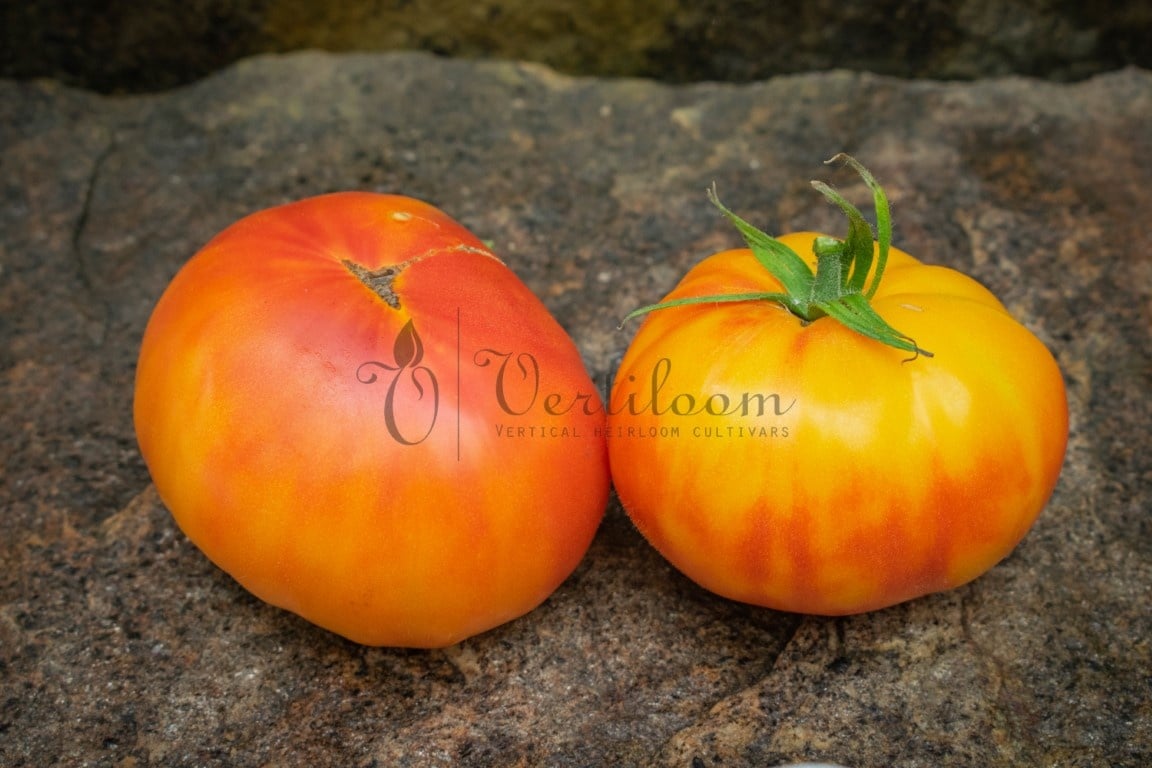
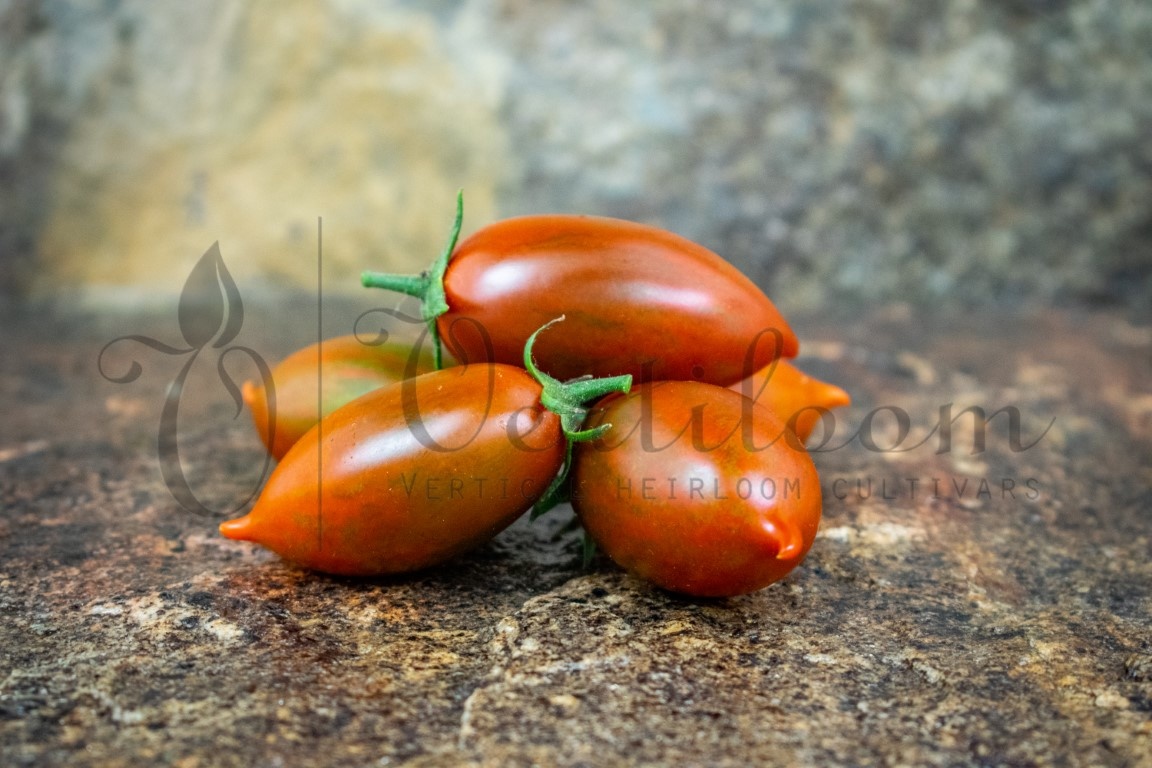
France holds a distinctive place in the history of European tomato cultivation. From traditional market varieties and treasured family heirlooms to the work of historic seed companies and modern breeders, French tomatoes reflect a rich horticultural heritage. At Vertiloom, discover French tomato varieties with a remarkable diversity of colours, shapes and flavours, from classic red beefsteaks to small, aromatic fruits and unusual local selections.
Names such as Marmande, Merveille des Marchés and Jaune Flammée reflect the diversity of tomatoes selected, cultivated and preserved in France over generations.
The History of Tomatoes in France
Tomatoes reached Europe from the Americas during the sixteenth century. Initially, the plant attracted attention as a botanical curiosity and ornamental species. Gradually, its fruits became increasingly important in European gardens and cooking.
In France, tomato cultivation developed through the work of gardeners, market growers and seed merchants. Particularly during the nineteenth century, numerous varieties were described, selected and distributed.
The renowned French seed company Vilmorin-Andrieux played an important role in documenting cultivated vegetables. Historical publications such as Les Plantes Potagères describe different tomato varieties and demonstrate the attention given to fruit shape, ripening time, productivity and culinary use.
Alongside commercial horticulture, family gardens remained important. The practice of saving seeds from year to year helped preserve local varieties.
Marmande and France's Regional Tomato Heritage
One of the most recognisable French tomato names is Marmande, associated with the town of the same name in the Lot-et-Garonne department.
Tomato cultivation developed into an important regional activity there during the nineteenth century. Local growers and commercial markets helped establish the Marmande name.
The traditional Marmande tomato is known for its red, often flattened and distinctly ribbed fruits. Its juicy, meaty flesh makes it particularly suitable for salads, fresh dishes and stuffed tomatoes.
Today, the Marmande name is also used more broadly in commerce. It is therefore useful to distinguish the historic variety from related selections and tomatoes cultivated in the surrounding region.
Famous Historic French Tomato Varieties
France has contributed numerous interesting tomato varieties, some of which were already described in nineteenth-century seed catalogues.
Notable examples include:
-
Marmande: a traditional French variety producing red, often flattened and ribbed fruits, appreciated for their juicy flesh and versatility in the kitchen.
-
Merveille des Marchés: a historic French market tomato described during the nineteenth century. Its predominantly round, red fruits were valued for qualities suited to market distribution.
-
Saint Pierre: a traditional tomato long established in French seed catalogues, generally producing medium to large, round, red fruits with juicy flesh.
-
Jaune Flammée: a distinctive French selection producing small to medium-sized, deep-orange tomatoes. The flesh may show attractive reddish marbling, while the flavour is notably fruity.
These varieties demonstrate that France's tomato heritage extends well beyond large red beefsteaks.
French Seed Companies and Tomato Breeding
France has a long tradition of professional seed production and plant breeding.
Historic companies such as Vilmorin-Andrieux contributed to the documentation, selection and distribution of vegetable varieties. Their catalogues remain valuable records of historic tomato cultivation.
During the twentieth century, scientific breeding became increasingly important. From the 1950s onward, research at Montfavet in the Vaucluse contributed to the development of improved tomato varieties.
This work produced selections and hybrids, including Montfavet H63-5, that played an important role in modern French tomato cultivation.
Alongside professional breeding, individual gardeners, collectors and small-scale breeders continued to enrich the diversity of unusual tomatoes.
What Makes French Tomatoes Special?
French tomatoes do not represent a single fruit type with a particular colour, shape or flavour.
Some varieties produce large, ribbed beefsteaks, while others offer medium-sized round fruits, small cherry tomatoes or unusually coloured tomatoes.
Flavour profiles vary considerably. Some have a rich, traditional tomato taste, while others are sweet, refreshing or distinctly fruity.
Textures range from soft and exceptionally juicy to firm and meaty.
French origin alone does not determine ripening time, productivity or growth habit. These qualities depend on the characteristics of the individual cultivar.
French Tomatoes in Traditional Cooking
Tomatoes have become an important part of French cooking, particularly in the south of the country.
They are used in a wide range of dishes, including fresh salads, stuffed tomatoes, sauces, soups and slowly cooked vegetable preparations.
Large, meaty tomatoes are well suited to stuffing or slicing, while small, aromatic varieties can be especially enjoyable in salads and fresh dishes.
Traditional preparations such as ratatouille and Provençal-style tomatoes illustrate the versatility of tomatoes in French cuisine.
However, not every tomato traditionally eaten in France originated there. A variety's geographical origin and its culinary popularity are separate matters.
Growing French Tomatoes in Temperate Climates
French tomato varieties can also be cultivated successfully in Belgium, the Netherlands and other temperate regions, both in greenhouses and suitable outdoor locations.
The best growing method depends on the variety. A tomato that performs well in a warm French region is not necessarily early enough for a cooler or wetter growing season.
Early and mid-season varieties may be interesting for outdoor growing, while later-maturing or large-fruited varieties often benefit from the warmth and shelter of a greenhouse.
Tomatoes appreciate plenty of light, fertile soil, consistent watering and adequate air circulation. During humid weather, attention to fungal diseases and late blight is important.
Tall indeterminate varieties generally require sturdy support, while compact cultivars may be suitable for smaller gardens and containers.
Preserving Historic French Tomato Varieties
Traditional tomato varieties represent more than unusual fruits. They are also a living part of France's horticultural history.
Many have survived because generations of gardeners, collectors and seed enthusiasts carefully selected, saved and replanted their seeds.
Preserving these varieties helps maintain a valuable diversity of colours, fruit shapes, flavours and inherited characteristics.
At the same time, new breeding and selection continue to expand the fascinating world of French tomatoes.
Discover French Tomato Seeds at Vertiloom
From the famous ribbed Marmande and historic Merveille des Marchés to the colourful Jaune Flammée, French tomato varieties tell an engaging story of horticulture, regional traditions and plant breeding.
At Vertiloom, discover French tomato seeds from traditional and unusual varieties, each with its own origin, fruit shape, flavour and growth habit.
Explore our French tomato collection and find the varieties that best suit your garden, greenhouse and personal taste.