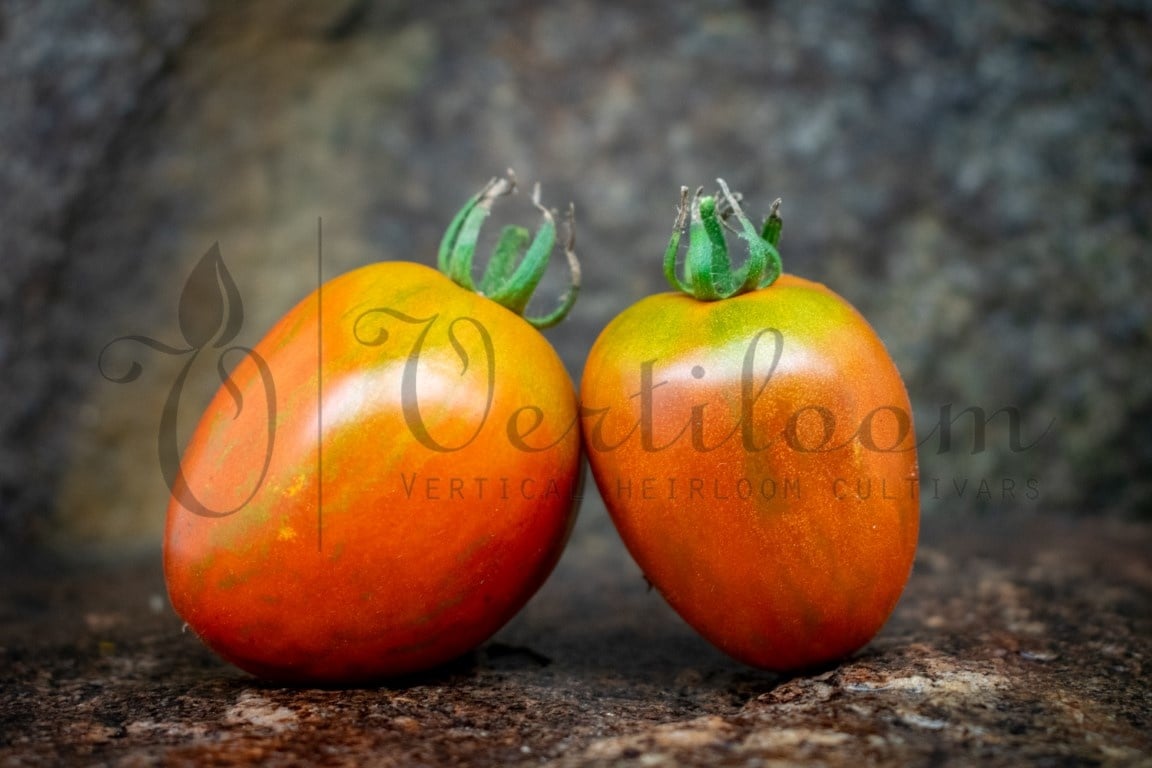
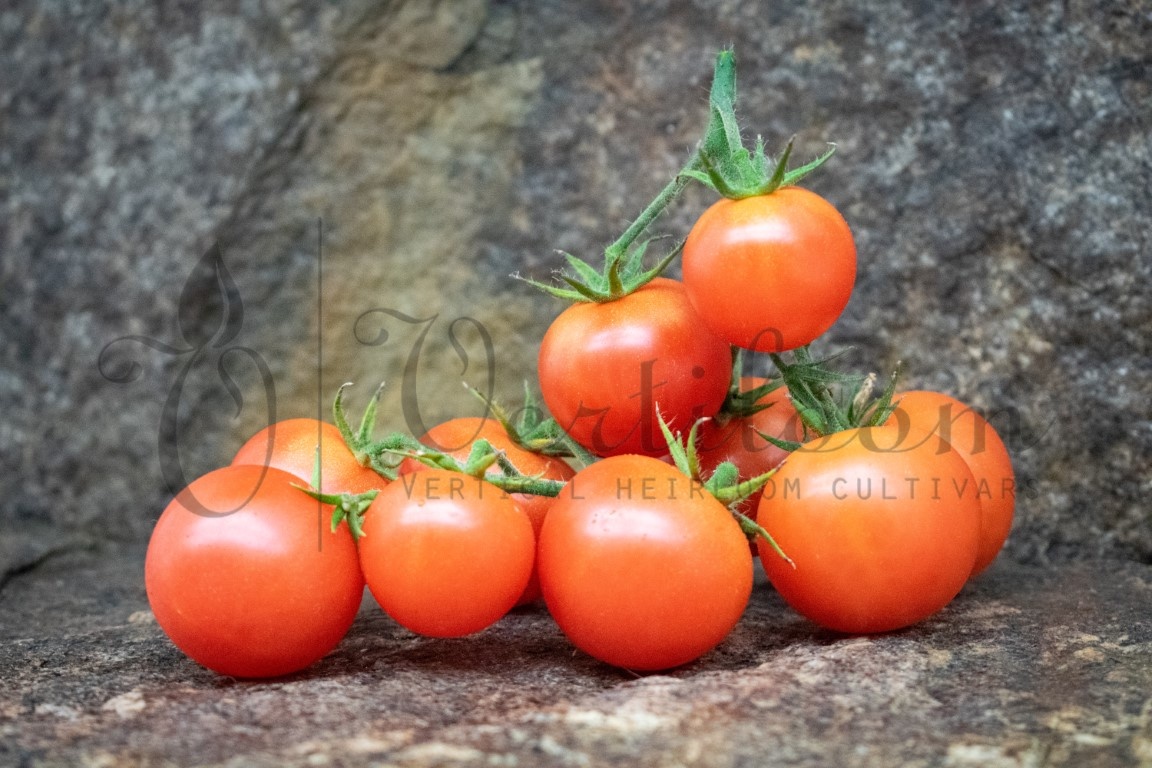
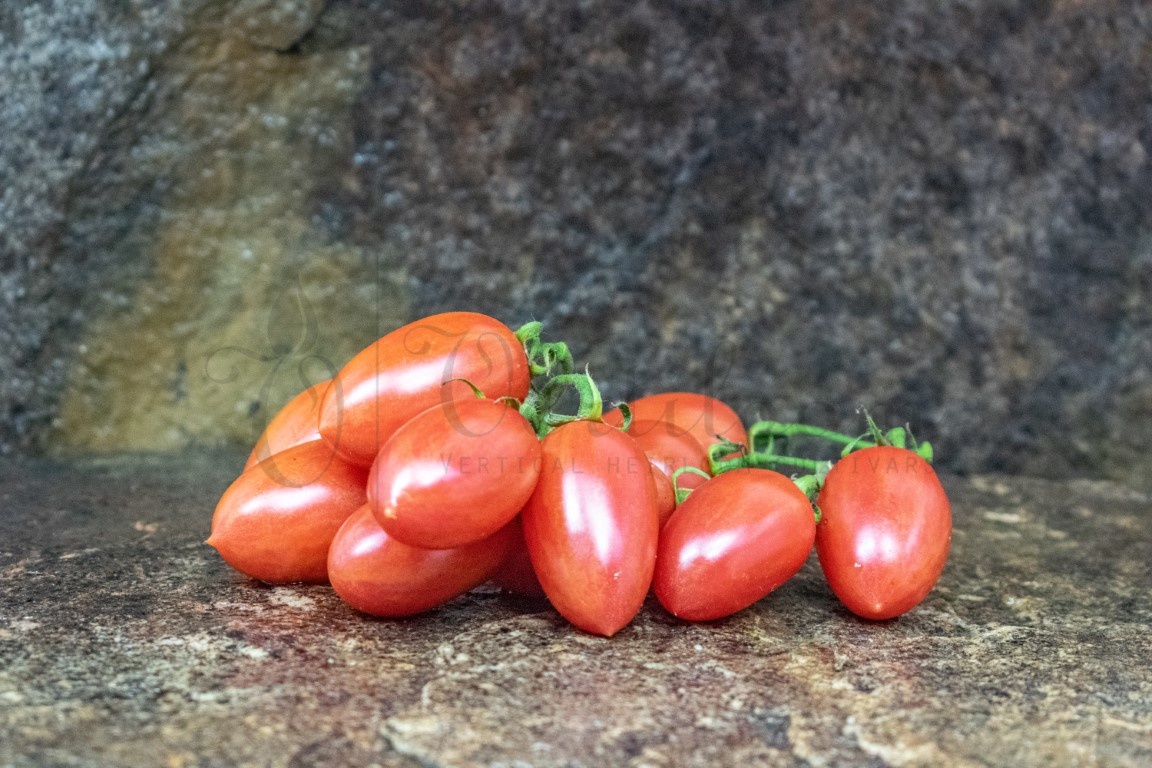
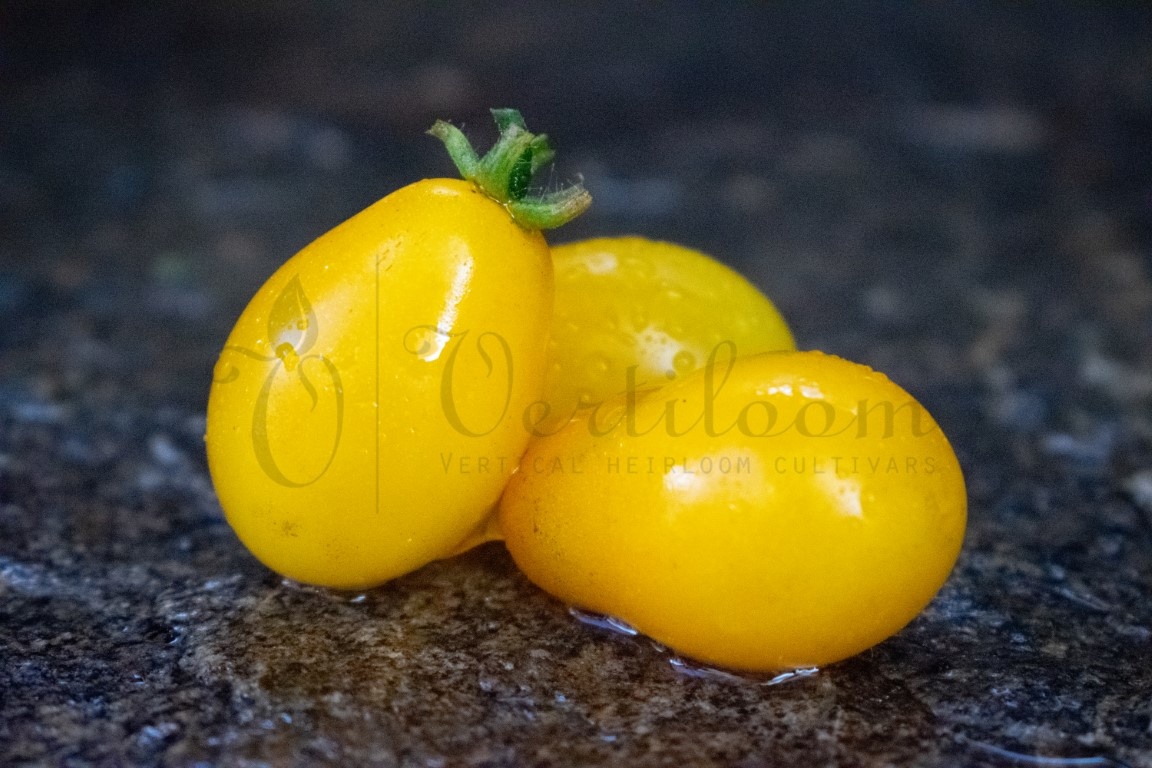
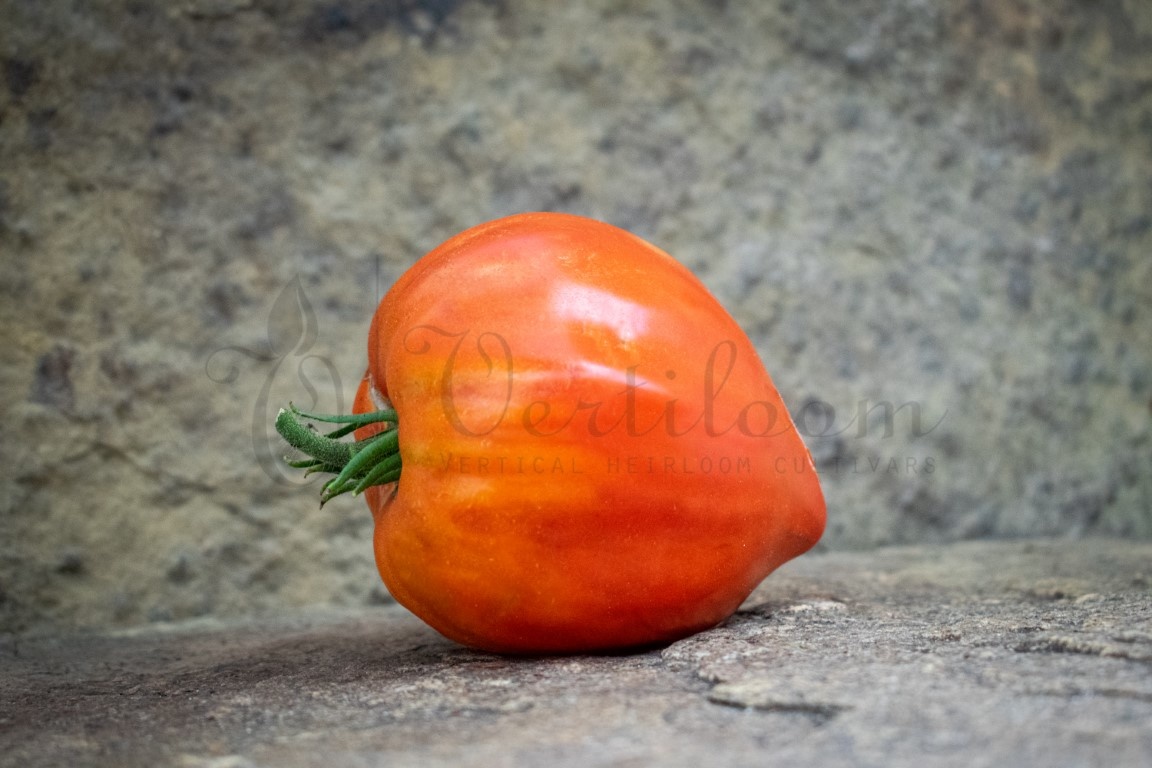
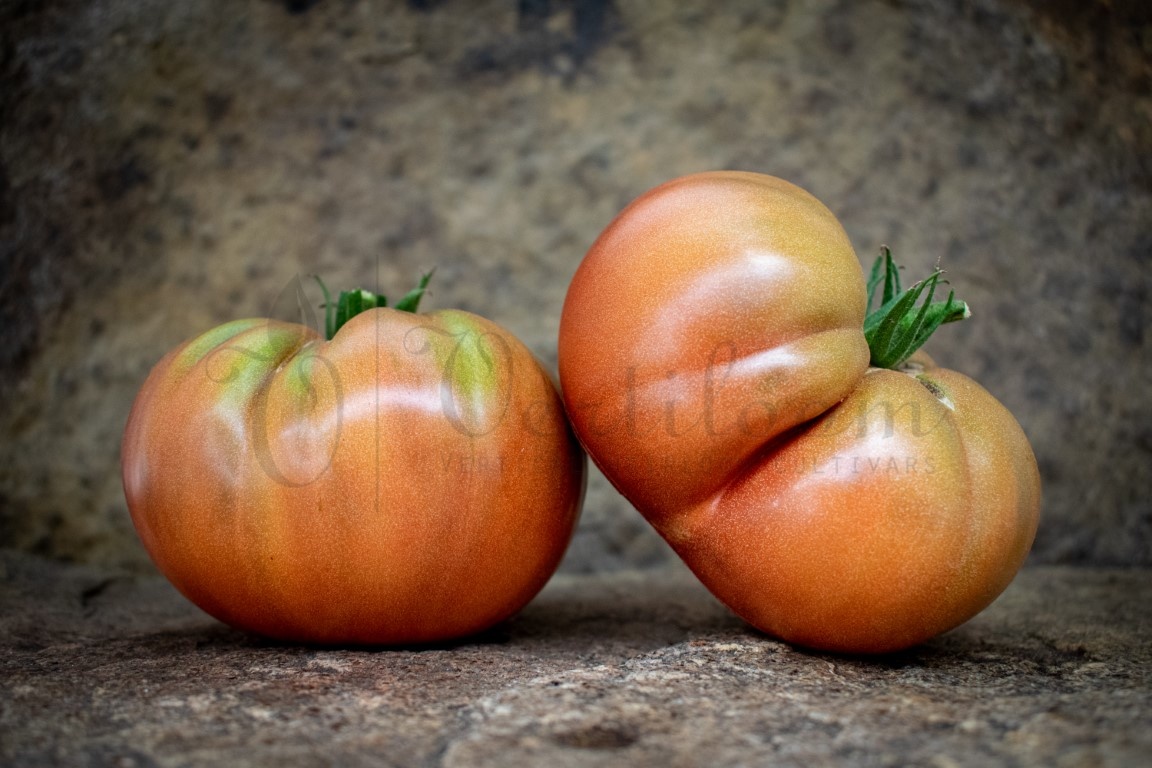
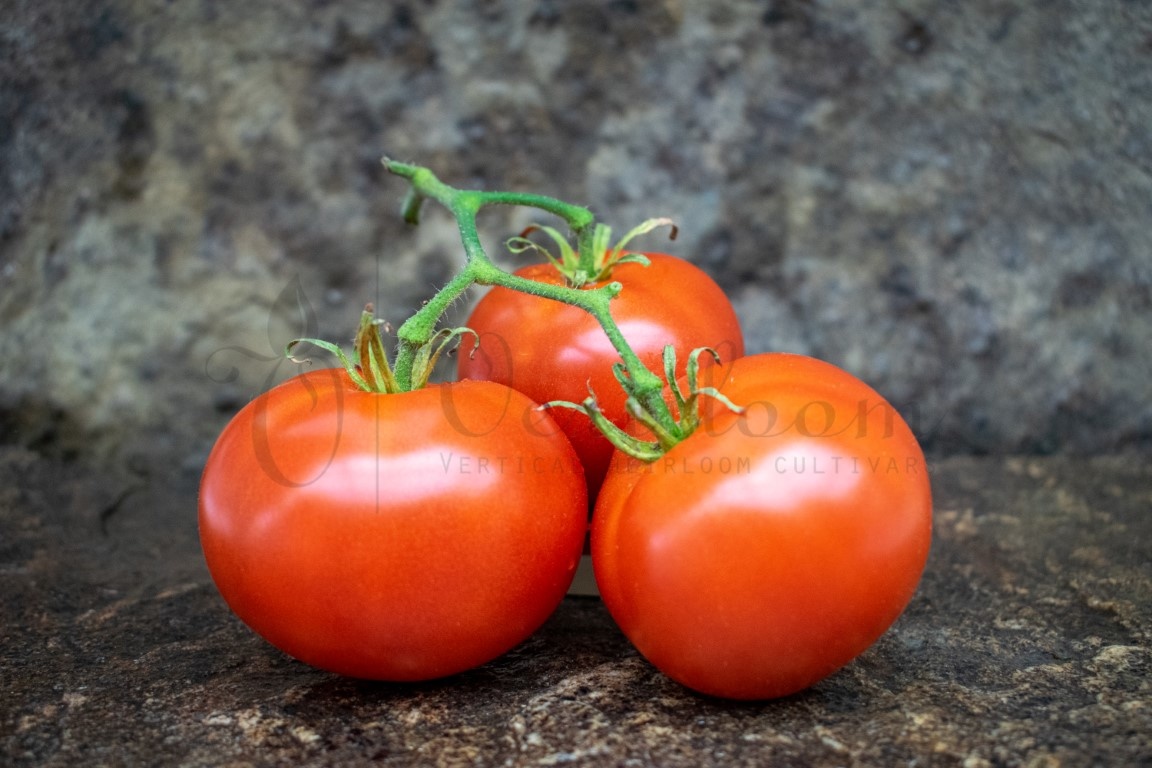
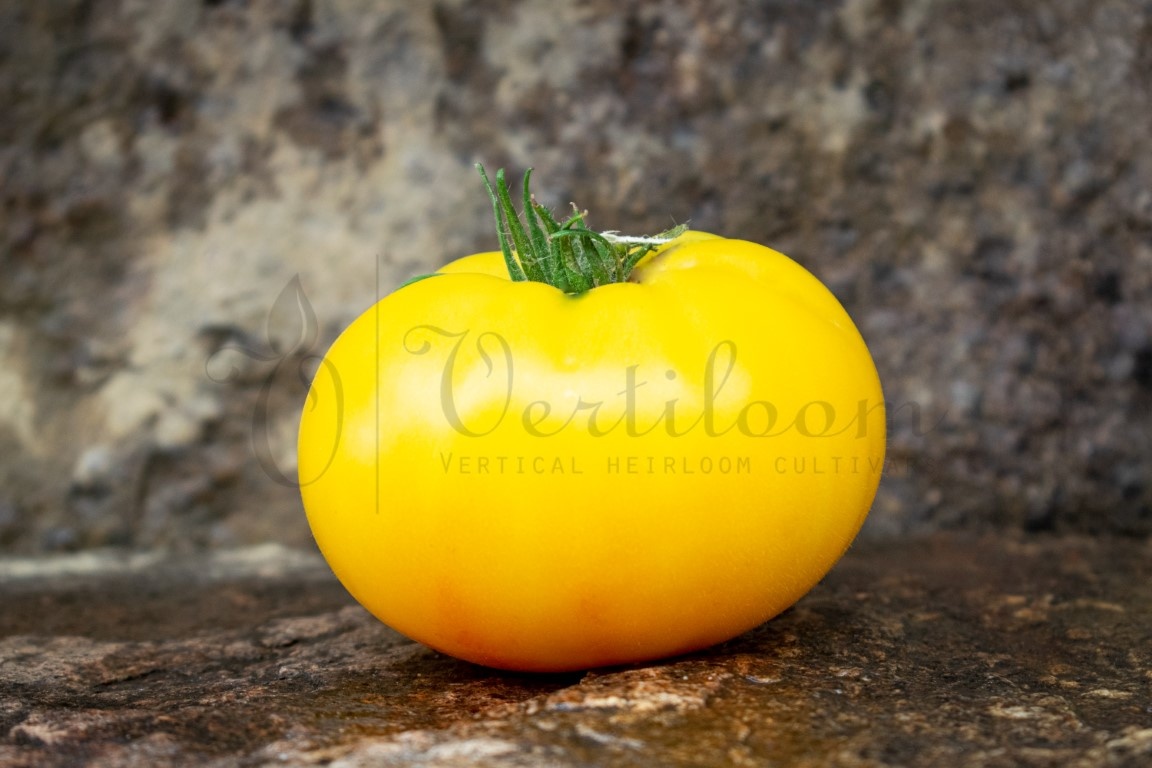
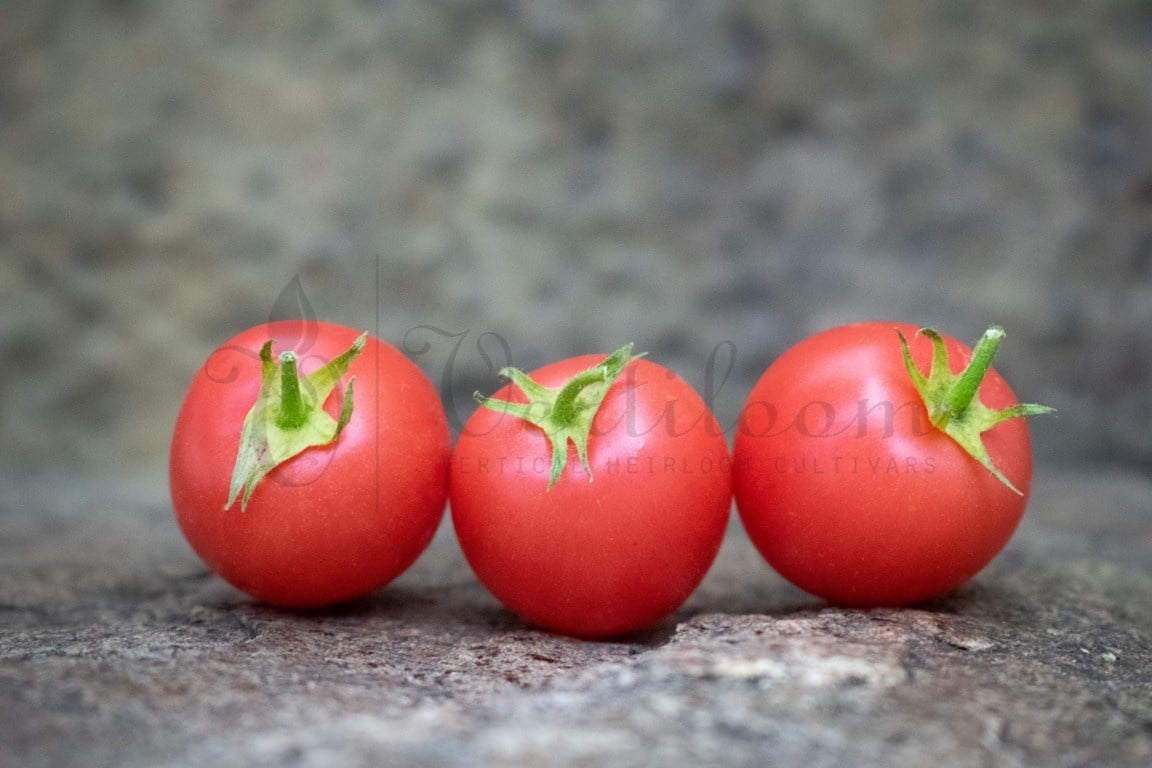
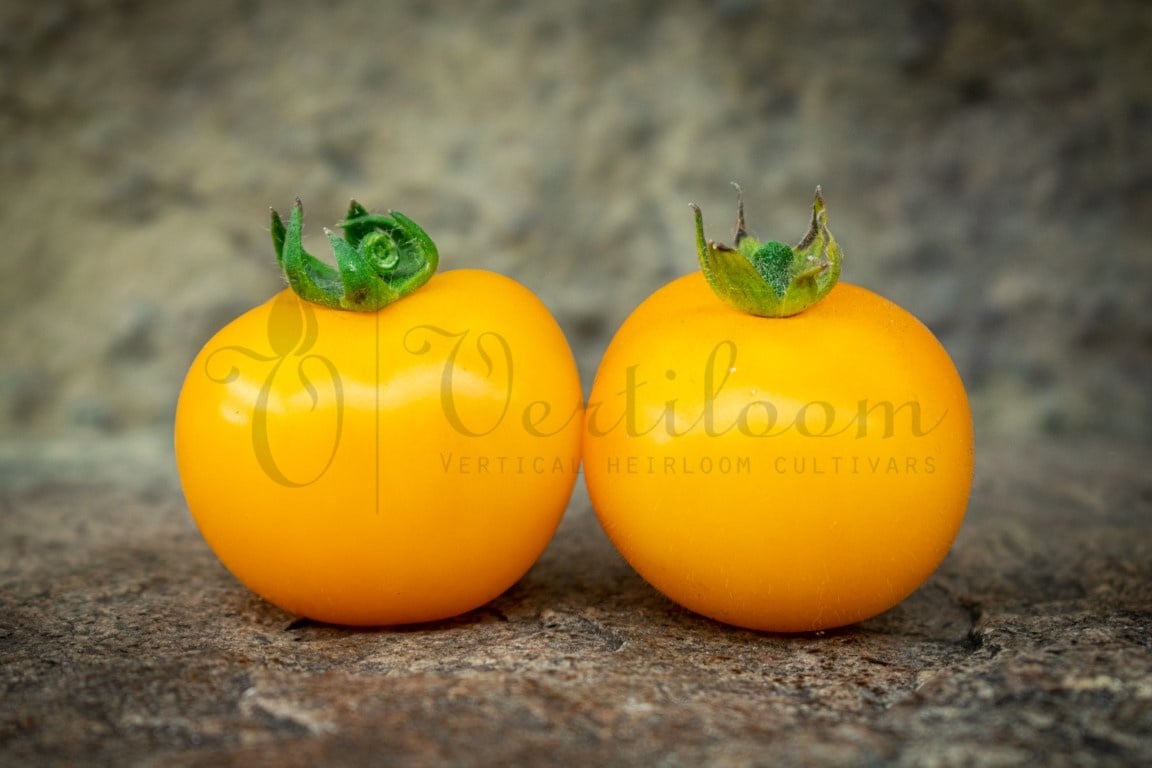
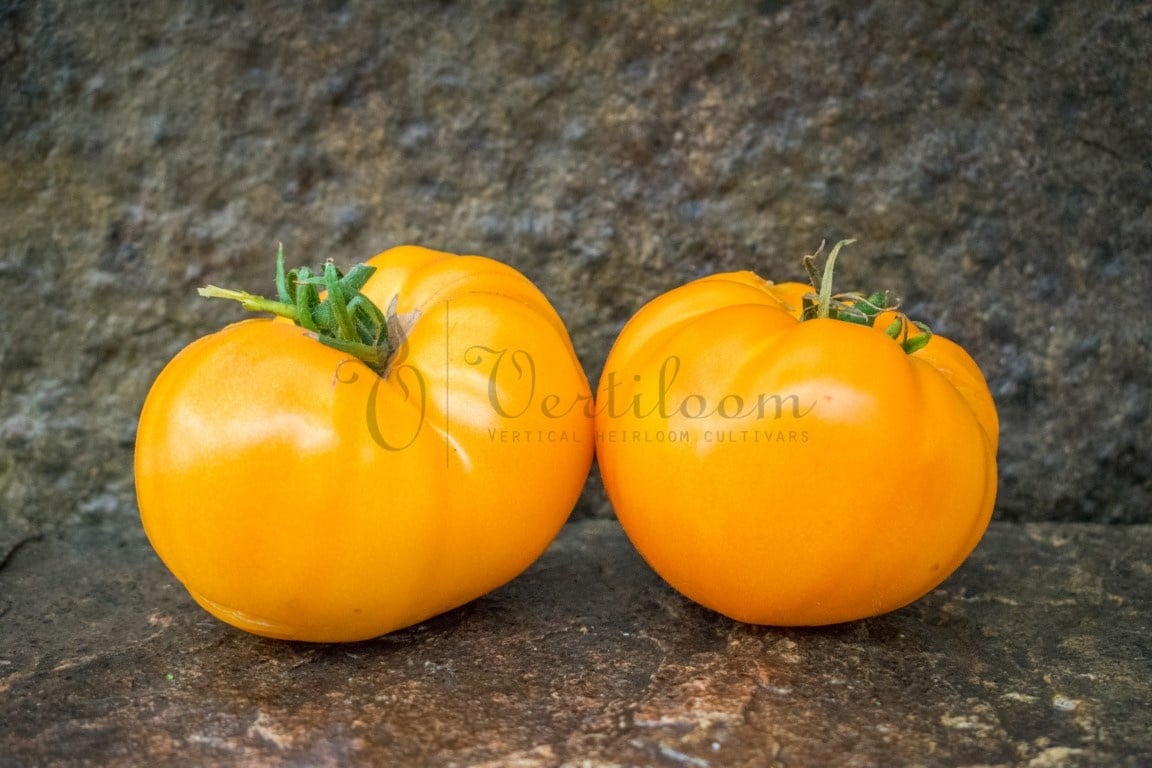
The United States has an exceptionally rich history of tomato cultivation, seed saving and plant breeding. From treasured family heirlooms passed down through generations to remarkable varieties developed by dedicated breeders and universities, American tomatoes display an extraordinary diversity. At Vertiloom, discover tomato varieties from the United States with distinctive colours, shapes and flavours, including large pink beefsteaks, classic red tomatoes, striped green varieties and anthocyanin-rich cultivars.
Famous names such as Brandywine, Cherokee Purple, Rutgers, Green Zebra and Indigo Rose represent different chapters in America's tomato history. Each has its own background, illustrating the remarkable variety of breeding and preservation traditions found across the country.
The History of Tomatoes in the United States
Tomatoes originated on the American continent, with wild ancestors in South America and an important stage in the development of cultivated tomatoes in Mesoamerica.
Their cultivation subsequently spread to Europe and became an increasingly important part of agriculture and gardening in North America.
Interest in tomato growing expanded considerably in the United States during the nineteenth century. Gardeners, farmers and seed merchants selected varieties for fruit size, shape, flavour, productivity and adaptation to local conditions.
Historic American seed catalogues made new varieties available to a growing number of gardeners. At the same time, families continued saving seeds from their favourite tomatoes and passing them from one generation to the next.
This combination of commercial plant breeding and family seed preservation created a particularly rich tomato heritage.
American Family Heirlooms and Their Stories
An important part of America's tomato heritage consists of traditional family varieties, commonly known as heirloom tomatoes.
These tomatoes were cultivated, selected and preserved by families and local communities over many years. Some remained virtually unknown outside their original regions.
Two remarkable examples are:
-
Brandywine (Sudduth's Strain): a celebrated heirloom producing large, often flattened pink beefsteaks with a rich, complex flavour. The history of this particular strain is associated with the Sudduth family and American tomato collector Ben Quisenberry, who helped preserve and distribute its seeds.
-
Mortgage Lifter (Radiator Charlie): an impressive pink beefsteak developed in West Virginia by Marshall Cletis Byles during the 1930s. The variety is known for its large, meaty fruits and the remarkable story of its breeder, nicknamed Radiator Charlie.
Such tomatoes represent not only distinctive fruit characteristics and flavours, but also personal stories and regional growing traditions.
Rutgers: A Milestone in American Tomato Breeding
One of the most historically significant American tomato varieties is Rutgers, introduced in 1934.
The variety was developed in New Jersey by Lyman Schermerhorn at Rutgers University, building on breeding work carried out in cooperation with the Campbell Soup Company.
Rutgers was selected as a versatile tomato suitable for fresh consumption as well as processing into sauces and preserved tomato products.
Its fruits are generally red, round to slightly flattened, with a full, traditional tomato flavour.
For much of the twentieth century, Rutgers occupied an important position in American commercial tomato production.
Its history demonstrates how scientific research and the food-processing industry helped create tomato varieties that also became favourites among home gardeners.
Cherokee Purple and the Rediscovery of Unusual Tomatoes
Another famous American variety is Cherokee Purple, treasured for its unusual fruit colour and rich flavour.
Its large, often flattened fruits develop deep dusky-pink, purplish-brown and greenish tones. The flesh is juicy, tender and full of flavour.
In 1990, American tomato enthusiast Craig LeHoullier received seeds of an unnamed dark-coloured tomato from John D. Green of Tennessee.
LeHoullier grew the variety, named it Cherokee Purple and helped introduce it to seed collectors and commercial seed companies.
During the 1990s, Cherokee Purple became an internationally popular heirloom.
Its story illustrates how individual seed savers can bring remarkable tomatoes to a much wider audience, even when the earliest parts of their history have not been fully documented.
Green Zebra and Colourful American Breeding
Not every unusual American tomato is a centuries-old heirloom. Modern independent breeders have also made important contributions to the extraordinary diversity of tomato colours and shapes.
A well-known example is Green Zebra, developed by American tomato breeder Tom Wagner.
Introduced in 1983, this variety produces small to medium-sized green-when-ripe tomatoes with striking dark stripes.
As the fruits ripen, the background colour gradually develops a yellow-green tone while the distinctive stripes remain visible.
Green Zebra is appreciated for its lively, tangy flavour and unusual appearance.
It demonstrates how deliberate breeding can produce new colour patterns without the resulting variety being a traditional historical heirloom.
Indigo Rose and Anthocyanin-Rich Tomatoes
An important modern chapter in American tomato breeding is the development of Indigo Rose.
This unusual variety was bred by Jim Myers and his research team at Oregon State University and introduced in 2012.
Indigo Rose is distinguished by deep blue-purple to almost black colouring, which develops most strongly in sun-exposed areas of the skin.
The colour results from anthocyanins, natural pigments also found in various other fruits and vegetables.
This pigmentation differs from that of many traditional brown and black tomatoes, whose dark colouring often results from the combination of retained chlorophyll and red carotenoid pigments.
Dark skin alone does not necessarily indicate that the fruit is fully ripe. The colour of the areas without blue pigmentation and the texture of the tomato are also important.
Indigo Rose illustrates how scientific research and conventional plant breeding have contributed to the development of distinctive new tomato types.
What Makes American Tomatoes Special?
American tomatoes do not form a single category with one particular shape, colour or flavour.
Their diversity is remarkable:
-
Large beefsteak tomatoes: including historic pink varieties such as Brandywine and Mortgage Lifter, often appreciated for their substantial flesh and rich flavour.
-
Traditional red tomatoes: such as Rutgers, producing round to slightly flattened fruits with versatile culinary uses.
-
Dark-coloured tomatoes: including Cherokee Purple, with deep purplish-brown colouring and a rich flavour profile.
-
Striped and green-when-ripe tomatoes: such as Green Zebra, recognised for its attractive patterns and refreshing character.
-
Blue and anthocyanin-rich tomatoes: such as Indigo Rose, whose skin develops striking blue-purple pigmentation.
Growth habit, fruit size, maturity time and productivity also differ considerably between varieties.
American origin alone therefore does not determine how a tomato will grow or taste.
Growing American Tomatoes in Belgium and the Netherlands
The United States encompasses an enormous range of climates, from cool northern regions to warm and dry areas.
American tomato varieties have therefore been developed under widely different growing conditions.
Some cultivars mature relatively early, while others, particularly large or late-ripening beefsteaks, need a longer and warmer growing season.
Early and mid-season varieties may be good choices for outdoor growing in Belgium and the Netherlands. Large-fruited or later-maturing cultivars often benefit from the additional warmth and shelter of a greenhouse.
Tomatoes appreciate sufficient light, fertile soil, consistent watering and good air circulation.
Tall indeterminate varieties require sturdy support, particularly when they produce heavy beefsteak fruits.
During wet periods, attention to fungal diseases and late blight remains important, regardless of a variety's country of origin.
American Tomatoes in the Kitchen
The diversity of American tomatoes offers many possibilities in the kitchen.
Large historic beefsteaks such as Brandywine and Mortgage Lifter are excellent when sliced thickly for sandwiches, salads and fresh tomato platters.
Traditional red varieties such as Rutgers are versatile and can be enjoyed fresh or used in sauces and cooked dishes.
Dark tomatoes such as Cherokee Purple are especially appealing in fresh preparations, allowing their rich flavour and unusual colour to stand out.
Green-when-ripe tomatoes such as Green Zebra add refreshing flavour and beautiful contrast to mixed salads.
Modern blue-coloured tomatoes can also provide a distinctive visual accent in fresh dishes.
The best culinary use ultimately depends on the individual variety, the texture of its flesh and personal taste.
Seed Savers Exchange and the Preservation of American Tomatoes
Organised seed exchange and the preservation of traditional varieties form an important part of America's tomato history.
In 1975, Kent Whealy and Diane Ott Whealy founded Seed Savers Exchange, an organisation dedicated to preserving and sharing historic, rare and open-pollinated varieties.
The exchange of seeds and their associated family histories has helped protect many traditional vegetables for future generations.
Individual tomato collectors and breeders have also made valuable contributions. Through their efforts, varieties such as Cherokee Purple and distinctive Brandywine strains became much more widely known.
The preservation of traditional cultivars and the development of new selections complement one another, together enriching the remarkable diversity of American tomatoes.
Discover American Tomato Seeds at Vertiloom
From the celebrated pink Brandywine and historic Rutgers to dark-coloured Cherokee Purple, striped Green Zebra and remarkable Indigo Rose, American tomatoes tell a diverse story of family traditions, seed preservation and plant breeding.
At Vertiloom, discover American tomato seeds from historic and unusual varieties, each with its own origin, fruit shape, colour, flavour and growth habit.
Explore our collection of tomatoes from the United States and find the varieties that best suit your garden, greenhouse and personal taste.